DIY Train Horn Builds: Complete Guide
Every documented DIY train horn build category — PVC, drill-powered, 3D-printed, wooden — with cost, output, and difficulty side-by-side.
Why DIY a train horn?
- Cost. A homemade PVC chord horn at $20 vs a real Nathan K5LA at $1,650 standalone. The output gap is real (~30 dB) but for non-vehicle uses, the savings are dispositive.
- Customization. Pick your own chord intervals, bell lengths, finishes. Aftermarket kits ship in 4–5 fixed configurations; DIY is unlimited.
- Education. Building a chord horn teaches diaphragm acoustics, pressure dynamics, and tuned-bell physics in a way reading doesn't. See our How Do Train Horns Work? guide for the underlying physics.
- Pre-built kits don't fit your specific application. Theatre props, school projects, marine signaling, ranch equipment — sometimes the standard 4-trumpet truck-horn form factor isn't right.
Honest expectation on DIY output
DIY train horns typically produce 110–135 dB at 3 ft. That's loud — comparable to portable battery-powered horns at the source — but well below the 144–149 dB of real aftermarket truck kits like the HornBlasters Shocker XL or Nathan K5LA.
The output gap comes from two factors: material stiffness (PVC and 3D-printed plastic flex under pressure where cast aluminum doesn't) and operating pressure (DIY builds typically max at 60–110 PSI; commercial kits run 110–150 PSI). Closing those gaps requires manufacturing-grade materials and a real compressor — at which point you're spending real-kit money.
-
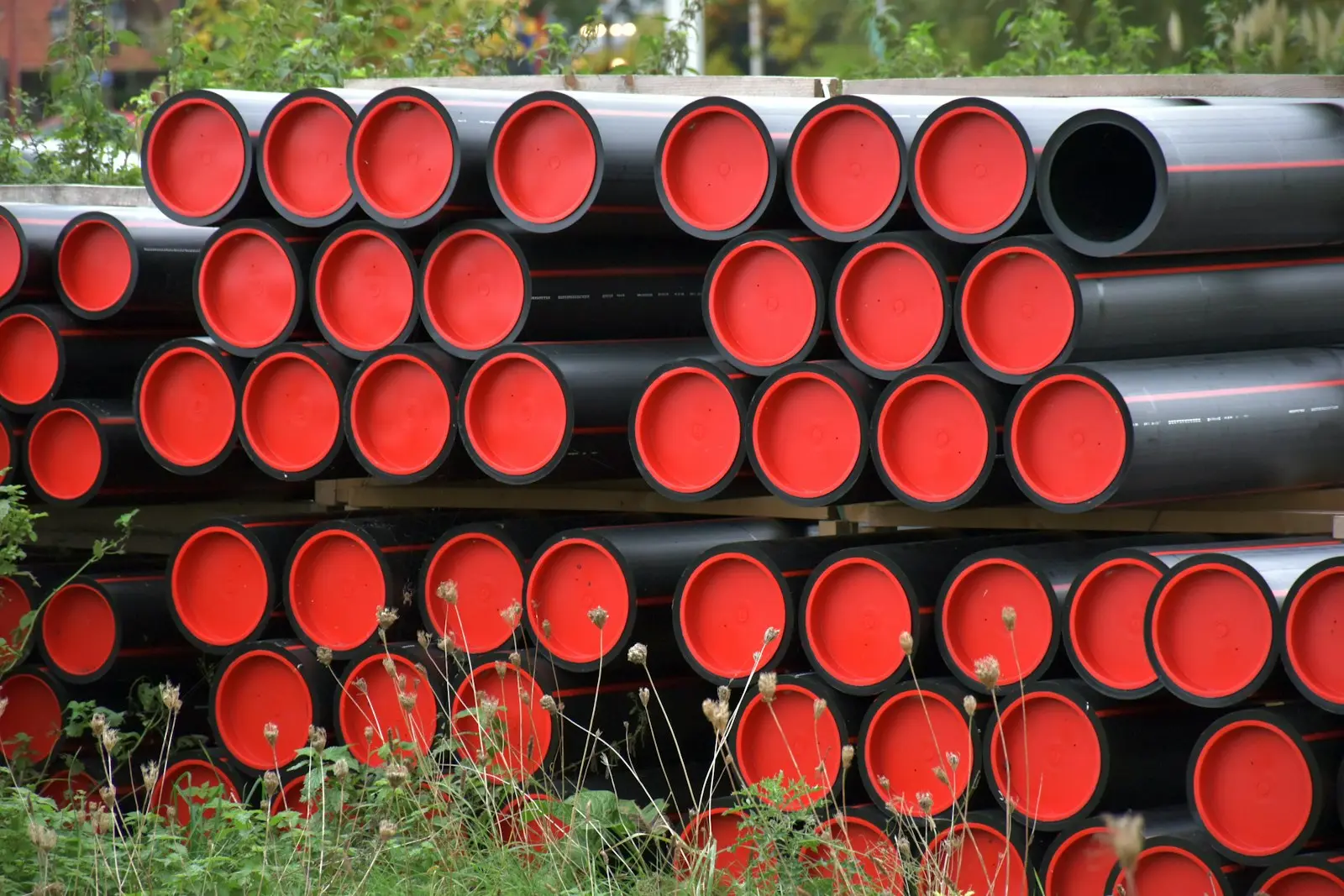 PVC Train Horn Easy
Cost: $15–$25 · Output: 110–120 dB at 3 ft
Schedule 40 PVC chamber + plastic-lid diaphragm + bell pipe. Same diaphragm-and-bell physics as a Nathan K5LA at 1/100 the cost.
-
 Free PVC Train Horn Plans (PDF) Easy
Cost: Free · Output: Varies by build
Downloadable PDF plans for various PVC train horn configurations — single-chime through five-chime chord horns.
-
 DIY Drill-Powered Train Horn Moderate
Cost: $50–$150 · Output: 120–135 dB at source
Battery drill + small compressor + trumpet manifold. Portable, runs on any cordless drill battery you already own.
-
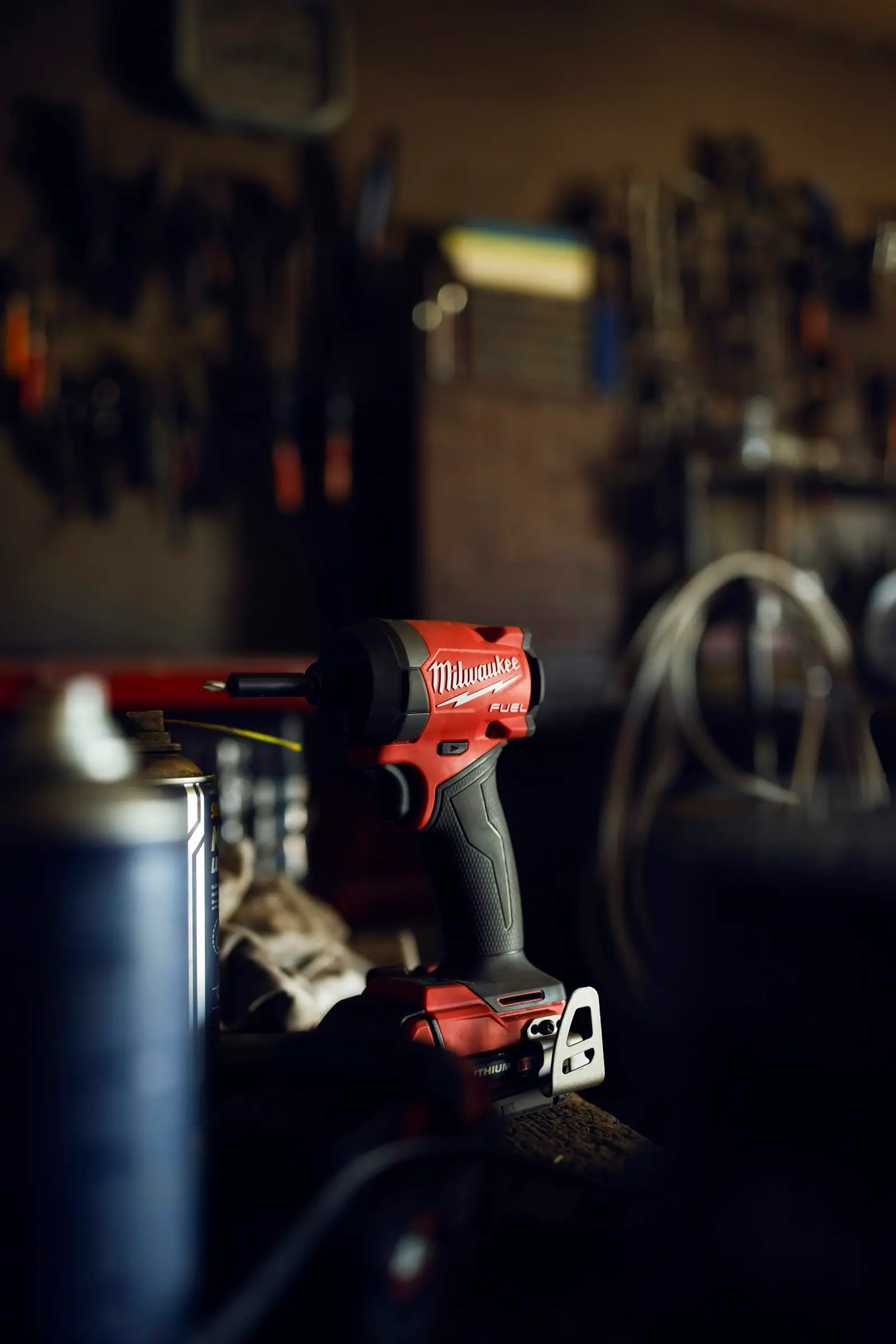 DIY Impact Train Horn Build Moderate
Cost: $60–$180 · Output: 125–140 dB at source
Impact-driver-powered variant. Slightly higher torque drives a larger compressor for better output.
-
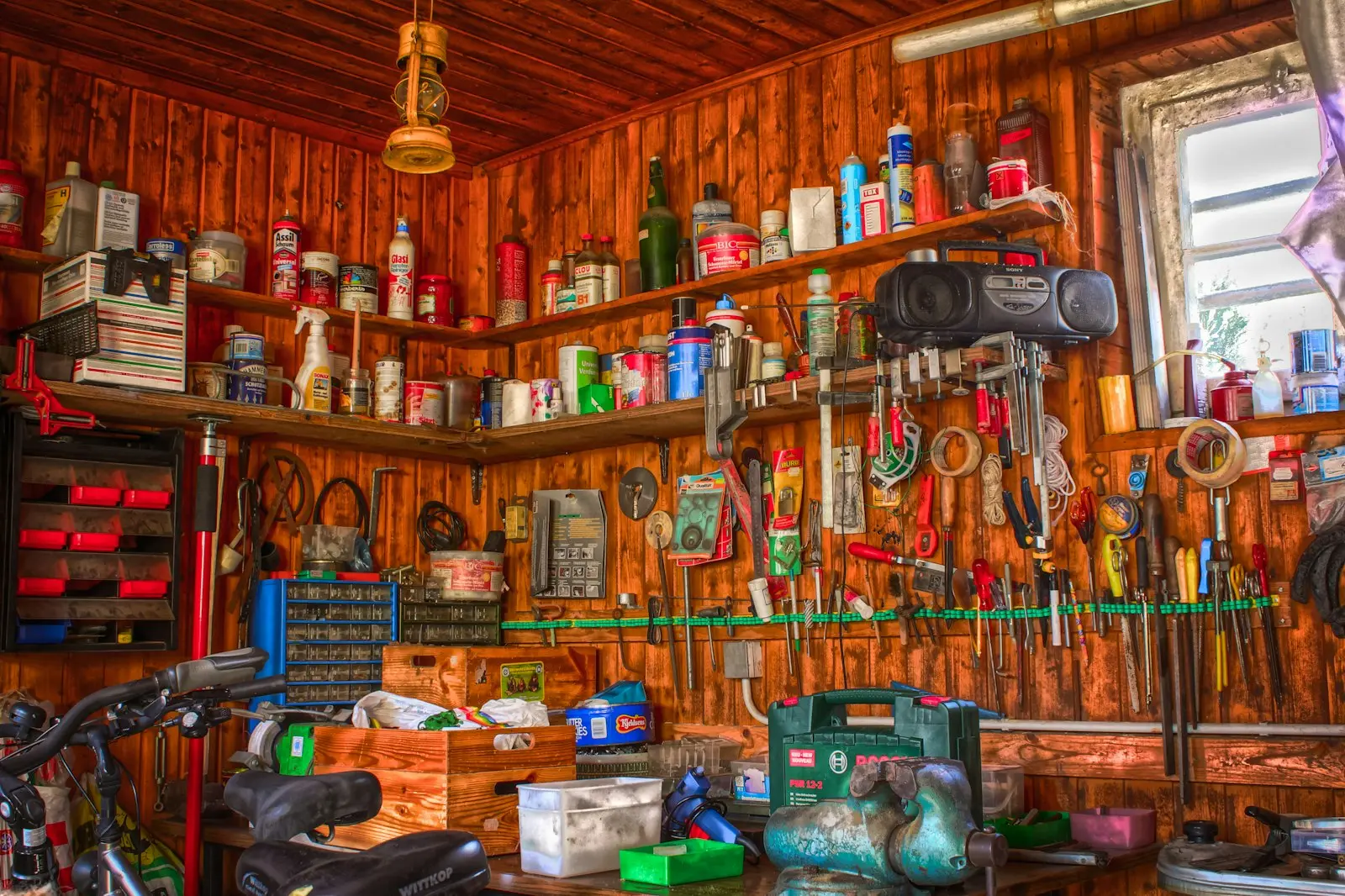 How to Make a Milwaukee Train Horn Moderate
Cost: $80–$200 · Output: 130–150 dB-claimed at source
Custom build using Milwaukee M18 batteries. Buy a DIY kit instead — much faster and the cost is similar.
-
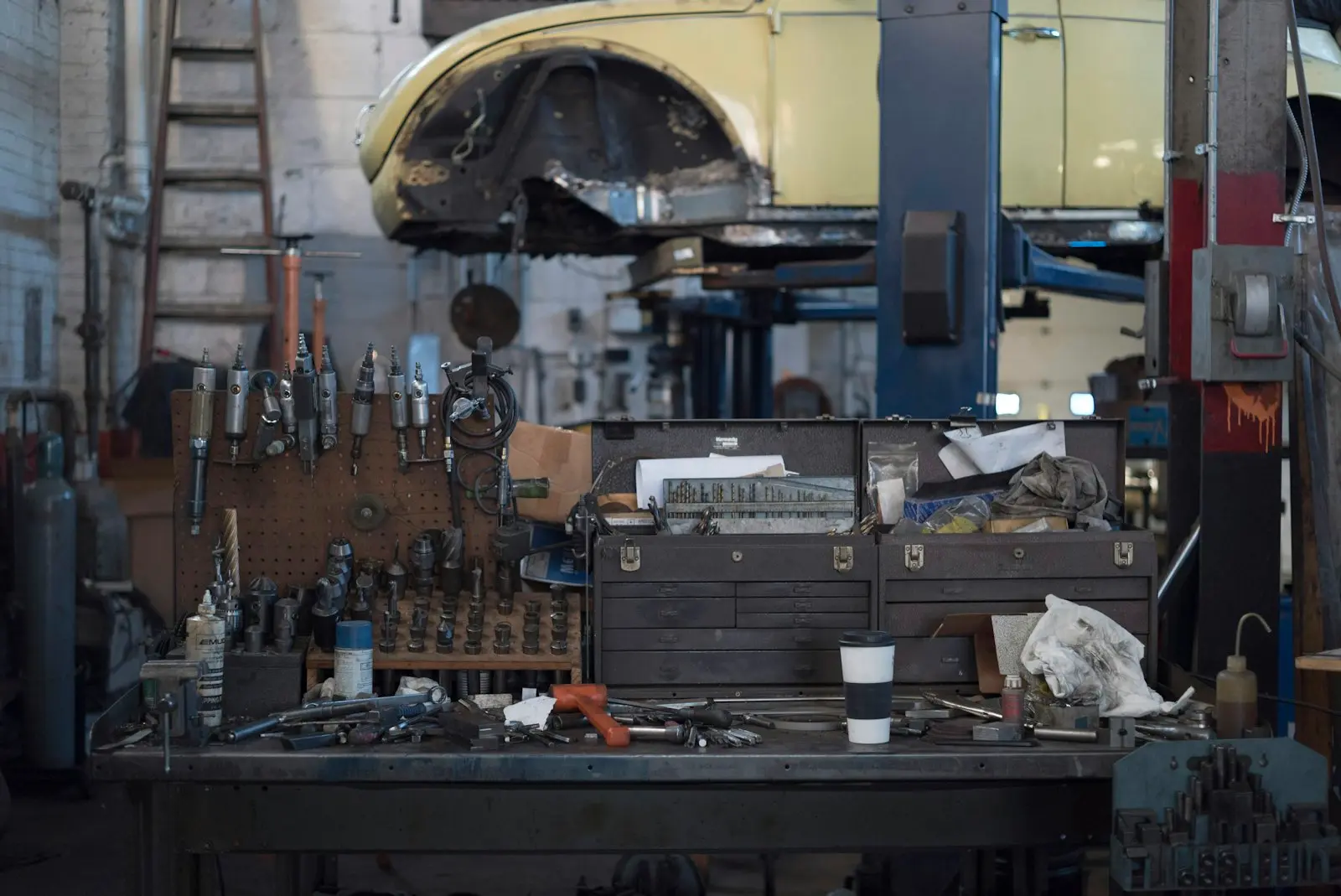 How to Make a DeWalt Train Horn Moderate
Cost: $80–$200 · Output: 130–150 dB-claimed at source
Same approach using DeWalt 20V MAX batteries. Pre-built kits exist; DIY makes sense for custom housing or non-standard configurations.
-
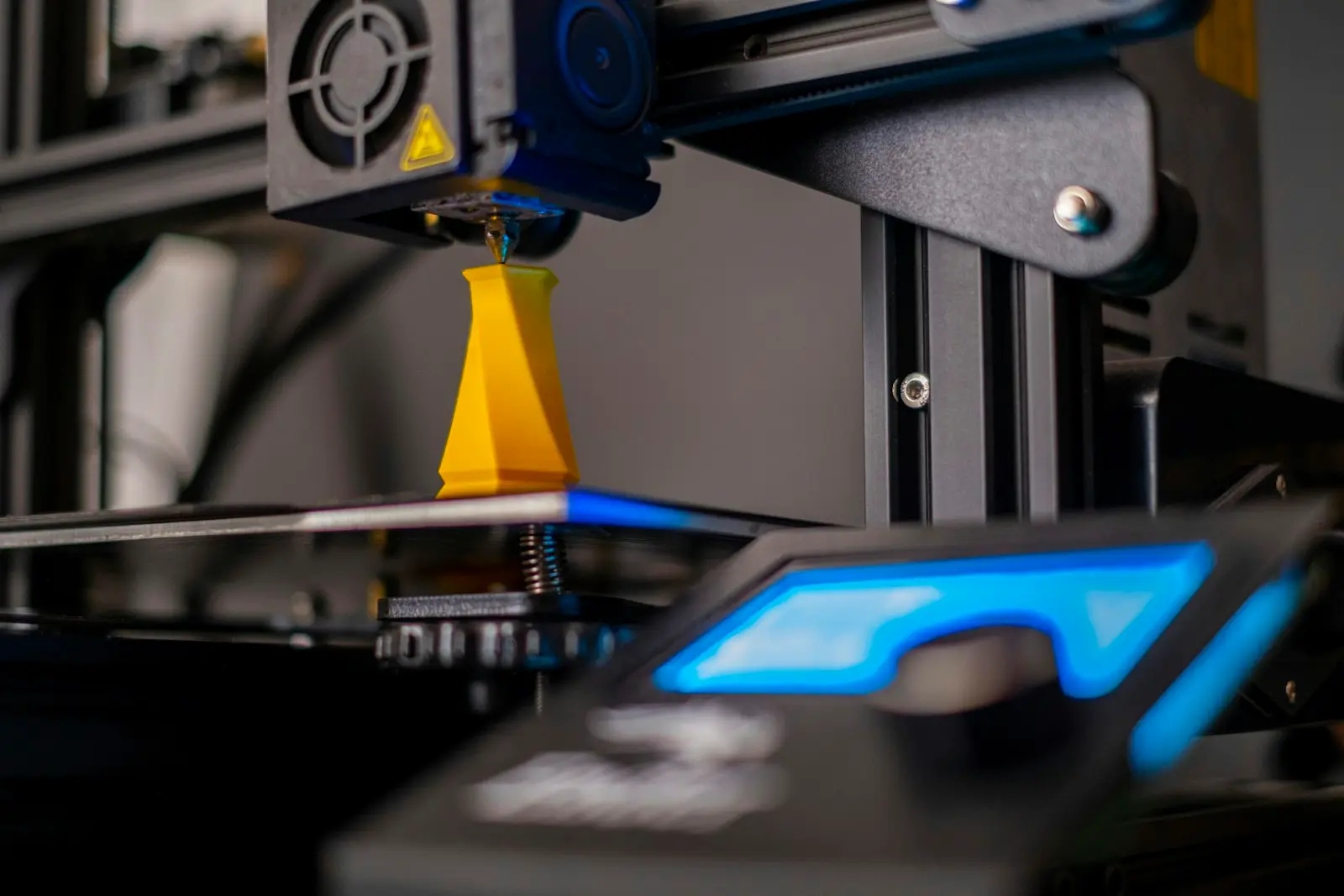 3D Printed Train Horn Designs Moderate
Cost: $5–$30 · Output: 95–115 dB at 3 ft
PLA / PETG printed bell and chamber. Lower output than PVC due to thinner walls flexing under pressure, but lets you tune chord intervals digitally.
-
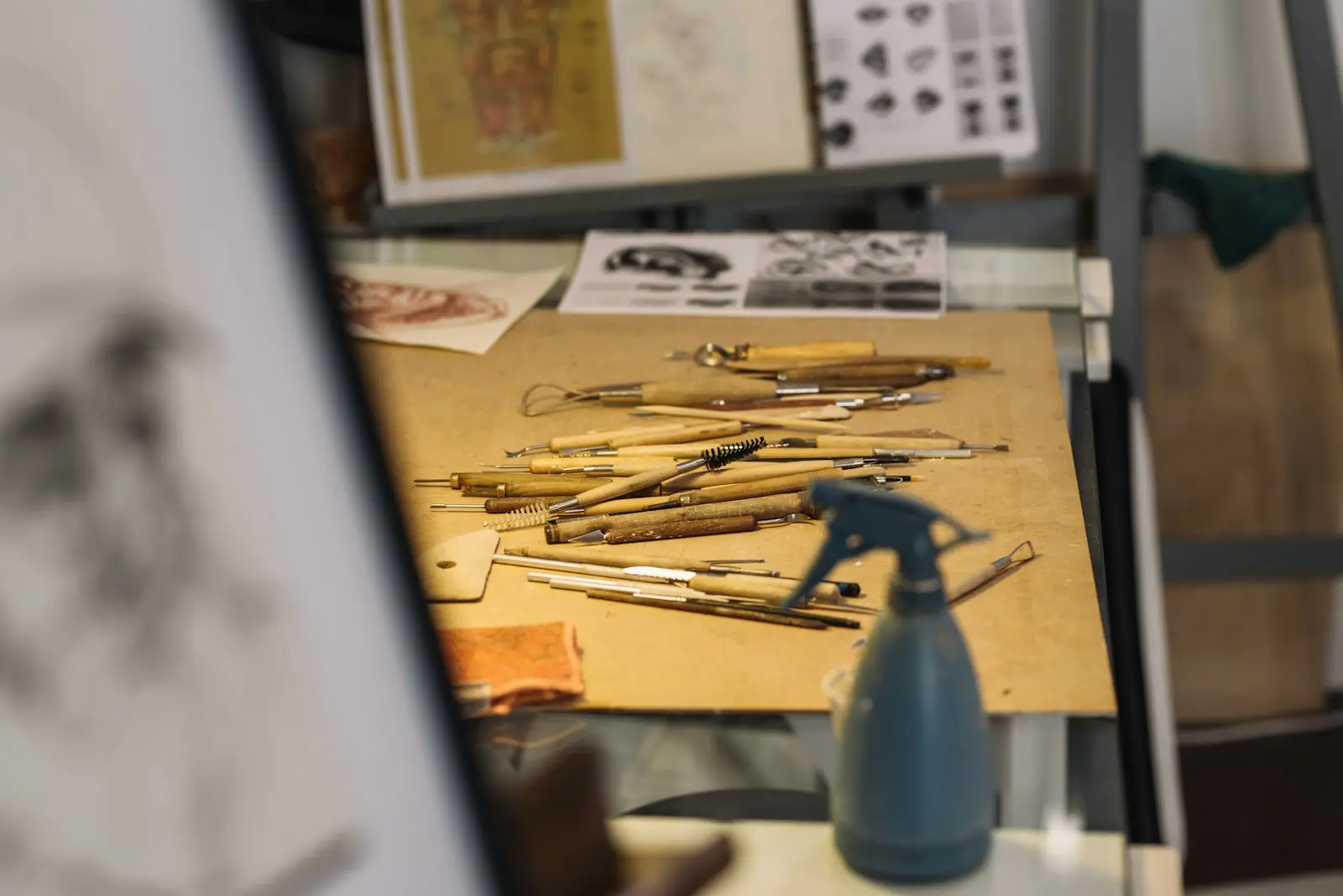 Homemade Train Horn — Build Your Own Easy
Cost: $15–$200 · Output: Varies
Hub guide covering all DIY approaches — PVC, drill, 3D printed, wooden — with cost vs output tradeoffs.
-
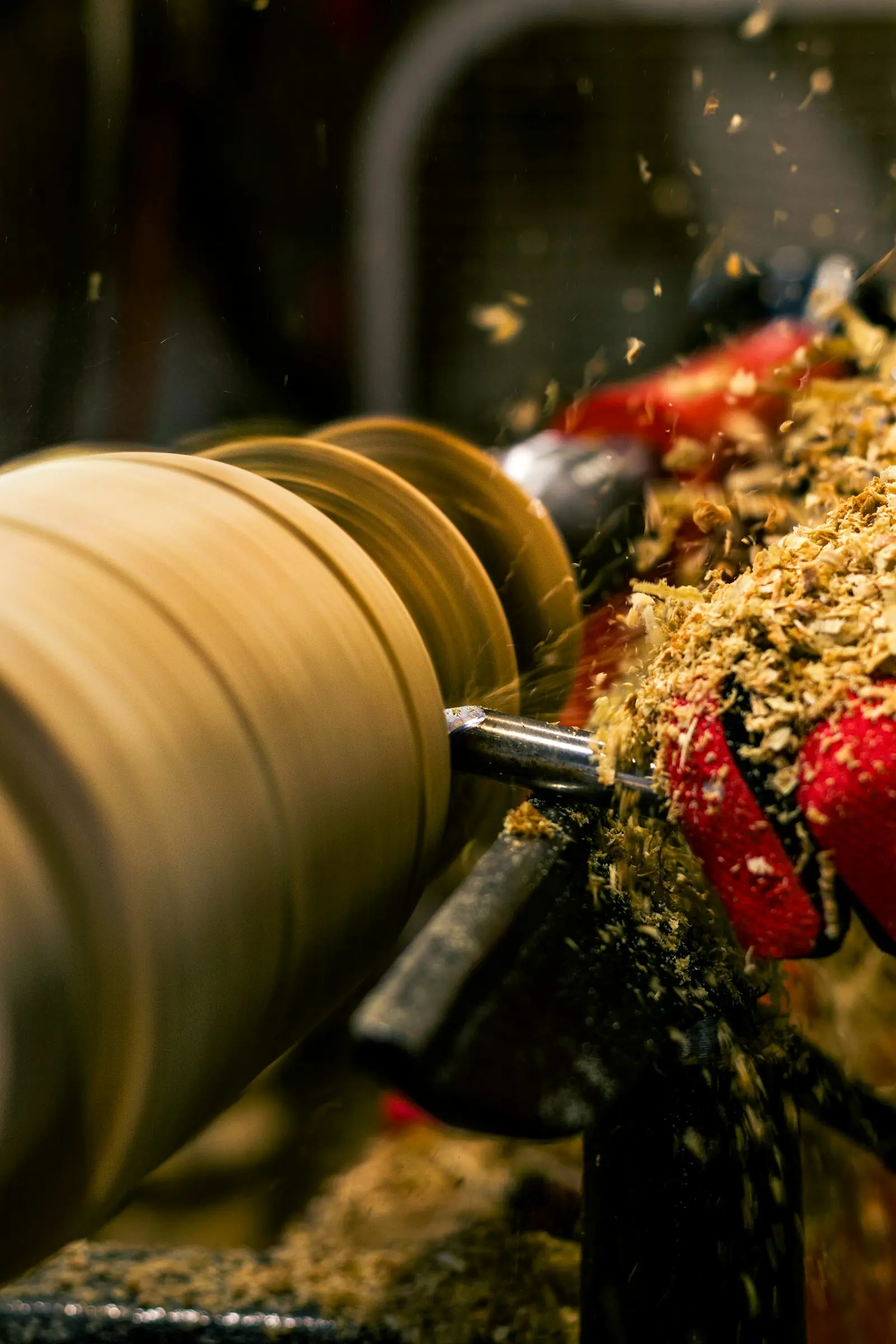 Wooden Train Horn Designs Hard
Cost: $30–$100 · Output: 105–120 dB at 3 ft
Hardwood lathe-turned bells. Significantly more work than PVC; produces a warmer, less bright tone. For woodworkers who want a craft project.
How to choose a build
- Lowest cost, easy build: PVC train horn at ~$20.
- Portable / battery-powered: DIY drill horn for cordless tool batteries you already own.
- Custom chord: 3D printed — design and tune intervals digitally.
- Craft / woodworking project: Wooden horn for warmer timbre.
- Vehicle-integrated DIY: The Milwaukee build or DeWalt build — but consider buying a pre-built portable horn from our Milwaukee M18 hub instead. Same output, less labor.
What's the limit of DIY?
The physical ceiling for a hobbyist DIY train horn — using PVC or 3D-printed plastic — is approximately 125 dB at 3 ft at 110 PSI. To go higher you need:
- Cast aluminum or steel bells — material stiff enough not to flex at 130+ PSI
- Tighter manufacturing tolerances — diaphragm tension and bell taper precision
- Higher operating pressure — 110+ PSI safely, which requires industrial-grade fittings and pressure relief
- Real CNC machining for the diaphragm interface and bell-throat coupling
At that point you're not DIY anymore — you're manufacturing a real horn. The economically rational path above 125 dB is to buy a real product. See our 2026 buying guide and Shocker XL review for tank-fed kits, or platform hubs for portable battery options.
Safety reminders for any DIY build
- Pressure rating: Stay below 50% of the material's burst pressure. PVC schedule 40: max 110 PSI operating.
- Eye protection during testing. Diaphragm or joint failure can launch fragments.
- Hearing protection. Even a 110 dB DIY horn at 3 ft is at the OSHA 30-min exposure limit — wear plugs.
- Pressure relief valve on any stored-pressure source.
- Test in open air first. Indoor testing concentrates SPL on walls and your ears.