DIY Impact Train Horn Build
Same general concept as the DIY drill build, but with an impact driver's higher torque to drive a slightly larger compressor — for slightly better output.
Impact driver vs drill
An impact driver (like Milwaukee M18 Fuel impact driver, DeWalt DCF887, etc.) produces significantly more torque than a comparable drill — the impact mechanism delivers torque pulses that overcome static friction in fasteners. For DIY train horn use, that translates to:
- Larger compressor can be driven at usable RPM — 20–30 mL displacement vs 5–15 mL on drill builds
- Higher operating PSI achievable — 90 PSI vs 60 PSI typical on drill builds
- Output approximately 125–140 dB at source vs 120–135 dB for drill builds
The trade-off: impact pulses don't translate to smooth rotational drive. Impact-driver horns tend to produce inconsistent compressor output — better dB peak but more variability in tone.
The honest comparison to pre-built kits
BossHorn's 2026 Boss Series Extreme variant for Milwaukee M18, DeWalt 20V, Ryobi ONE+, and Makita LXT uses a purpose-built compressor that's effectively engineered for what an impact-driver-DIY tries to achieve — at $365–$415 with 150 dB-claimed output. For most builders, the pre-built Extreme kit is the better path than DIY-impact.
DIY-impact builds make sense if you have an unused old impact driver, want to learn the platform, or need custom form factor.
Materials and approach
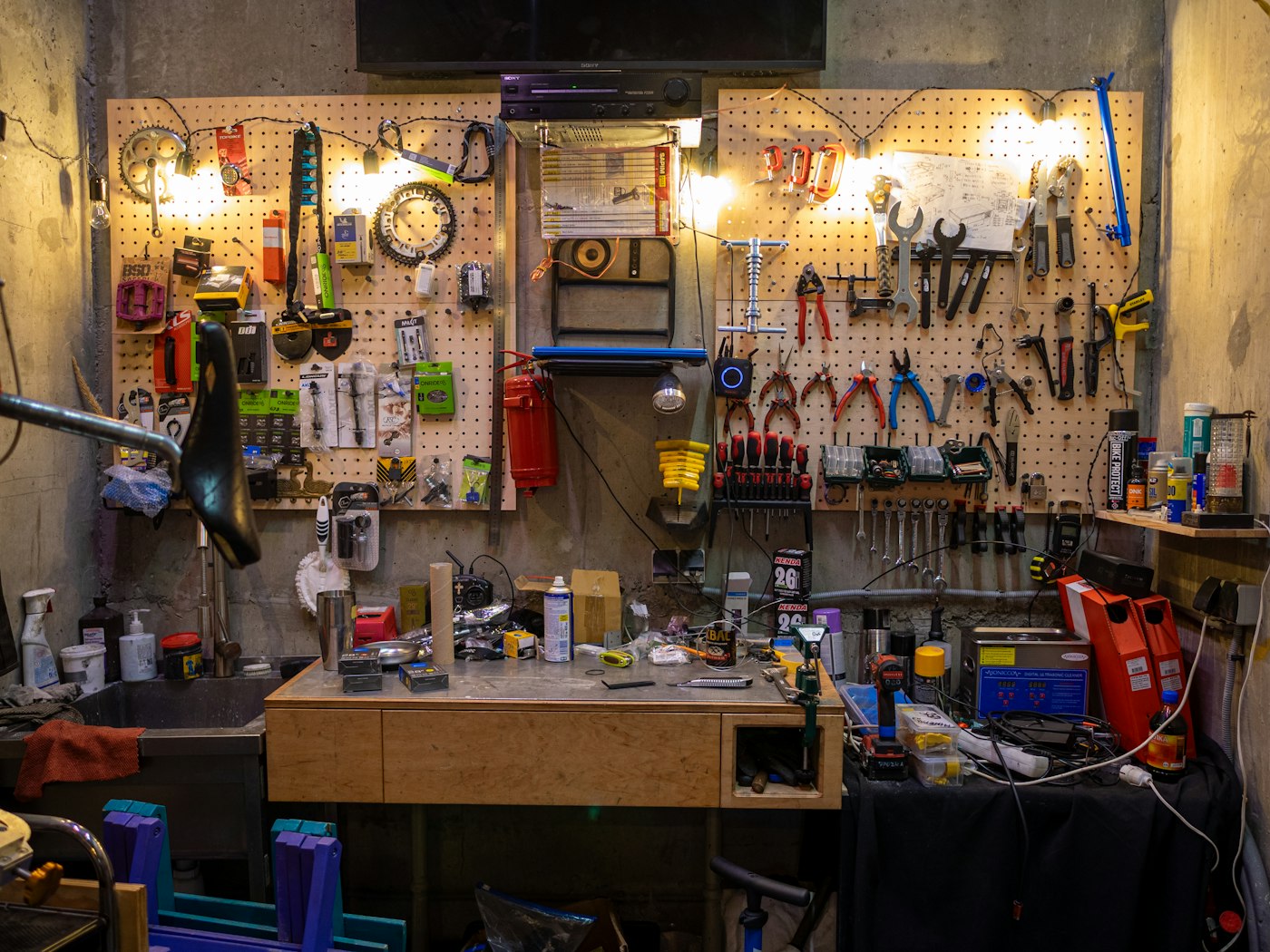
Same general approach as the DIY drill horn build, with these substitutions:
- Impact driver instead of drill — provides higher torque
- Larger air compressor (20–30 mL piston displacement)
- Stronger shaft coupling required to handle impact pulses
- Vibration-damping mount — impact pulses transmit significant vibration to the chassis; rubber-isolated mounts prevent stress fractures in air lines and fittings
- Voltage step-down (if impact driver voltage exceeds compressor rating)