Wiring a Train Horn Relay: Diagrams & Common Mistakes
How to wire a train horn relay the right way: what terminals 30, 85, 86, 87, and 87a do, a basic diagram, the factory-button polarity trap, and mistakes to avoid.
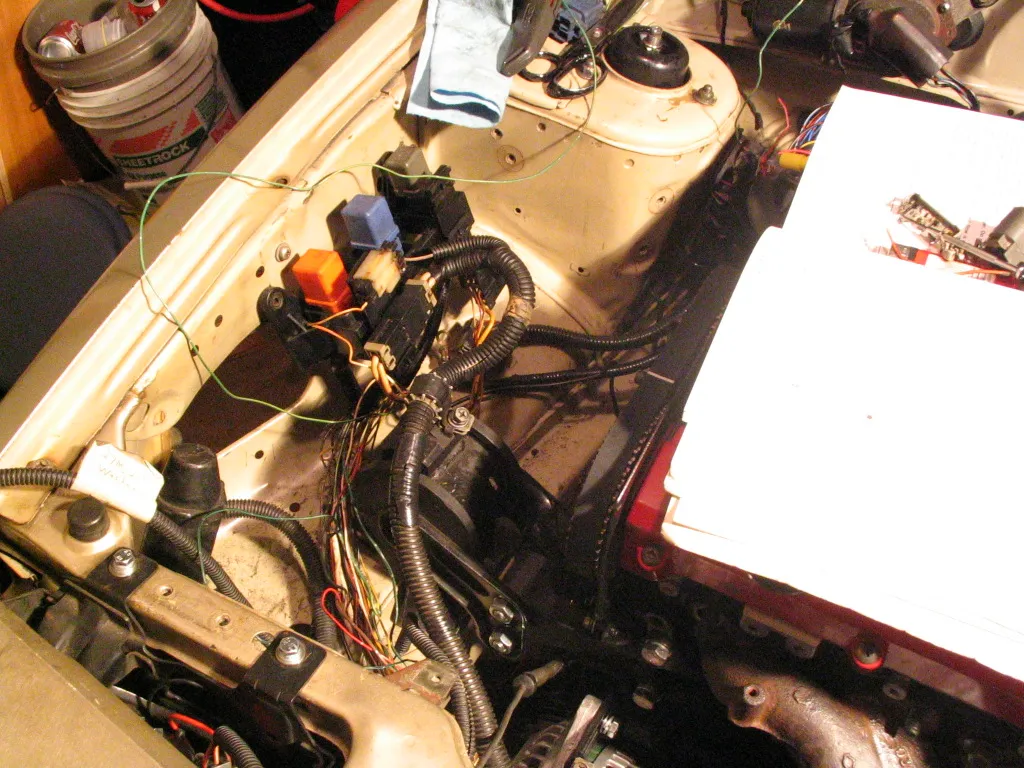
Wiring a train horn relay is the step that trips up more first-time installers than mounting the tank or running the air line combined. Get the five terminals right and your horn fires every time; get one backward and you’ll be chasing a dead solenoid all afternoon.
Why a Train Horn Needs a Relay at All
A train horn doesn’t actually make noise by itself. On an air kit, a push button or your factory horn switch sends a signal to an electric solenoid valve, and that valve dumps stored air from the tank into the trumpets. The problem is current. A horn button and the thin wiring behind your steering wheel were designed to carry the small load of a stock electric horn, not the heavier draw of an air solenoid or a direct-drive compressor.
That’s what a relay solves. A relay is a remote-controlled switch: a tiny current through its control coil flips a much heavier internal contact. The coil pulls only a fraction of an amp, so your delicate horn button stays happy, while the relay’s contacts handle the full load going to the solenoid. Skip the relay and wire the solenoid straight to a switch, and you’ll cook the switch, melt wiring, or just get weak, unreliable honks.
Keep one mental model in mind: a train horn kit really runs two independent circuits. One circuit is the trigger (button to solenoid valve). The other is the air-source circuit (your accessory or ignition feed powering the compressor through a pressure switch). The relay we’re wiring lives on the trigger side. If you’re fuzzy on how the air side feeds the horn, the overview of how train horns actually work fills in the rest.
The Five Terminals: What 30, 85, 86, 87, and 87a Do
Most train horn kits ship a standard Bosch-style automotive relay. Flip it over and you’ll see numbers molded next to each spade terminal. Those numbers are an industry standard, so once you learn them they read the same on almost any relay:
- 30
- Power in — the common contact, usually fed straight from the battery through a fuse
- 85
- Coil ground (one side of the control coil)
- 86
- Coil trigger (the other side of the coil — the signal that energizes the relay)
- 87
- Load out — sends power to the solenoid valve when the relay is closed
- 87a
- Normally-closed output — connected to 30 when the relay is at rest, disconnected when triggered
A four-pin relay (30, 85, 86, 87) is a simple on/off switch and is all most single-horn installs need. A five-pin relay adds 87a, which is “on” until you trigger the relay. That normally-closed terminal is the key to toggling between your stock horn and a train horn, which we’ll get to below.
The two pairs to never confuse: 85 and 86 are the low-current coil side, while 30 and 87 are the high-current load side. Cross those and nothing works.
A Basic Single-Relay Wiring Diagram
Here’s the most common setup: a dedicated push button firing the solenoid, with the relay doing the heavy lifting. This mirrors HornBlasters’ published relay wiring guide for their electric air horns.
- Terminal 30 to battery positive. Run the red 10-gauge power wire from the battery’s positive post to pin 30, with an inline fuse holder near the battery. HornBlasters specs a 35A fuse here for their kits.
- Terminal 86 jumps to 30. A short 18-gauge jumper ties pin 86 to the same power feed at pin 30, so one side of the coil always sees 12V.
- Terminal 85 to your push button, then to ground. Run 18-gauge wire from pin 85 to one side of the push button; the button’s other side goes to a clean frame ground. Pressing the button completes the coil circuit and energizes the relay.
- Terminal 87 to the solenoid valve. Connect the solenoid’s power lead to pin 87. When the relay closes, battery power flows from 30 through 87 to the solenoid, the valve opens, and the horn blows.
That’s the whole trigger circuit. The compressor and pressure switch are wired separately off an accessory feed so the tank refills on its own. For sizing the rest of the plumbing, our notes on air line size and the PSI your horn actually needs are worth a look before you button everything up.
The Tricky Part: Tapping Your Factory Horn Button
Plenty of people want the train horn to fire from the original steering-wheel horn button instead of a separate switch. It’s doable, but there’s a polarity trap that derails a lot of installs.
On most vehicles, the factory horn button doesn’t send 12V positive when you press it. It switches to ground. The stock horn already has constant power on one side, and the button completes the circuit by grounding the other side. So if you tap that factory horn wire and run it to relay terminal 86 expecting a positive trigger, the coil never sees the voltage it needs, and the relay just sits there.
The fix experienced installers use is to trigger the relay coil on the ground side. Feed pin 86 from a switched 12V source and let the factory horn wire complete the coil to ground through pin 85, so the button’s existing ground signal does the triggering. On vehicles where the wiring or a CAN-bus horn circuit fights you, a second relay is used to convert the negative button signal into a clean positive trigger for the main relay. The point is simple: confirm with a test light or multimeter whether your horn button supplies positive or ground before you commit a single crimp.
Toggling Between Your Stock Horn and Train Horn (SPDT)
Want the factory button to honk the stock horn normally, then blast the train horn when you flip a switch? That’s exactly what the 87a terminal on a five-pin (SPDT) relay is for. Per HornBlasters’ toggle wiring guide, the connections run like this:
- 30 — the OEM horn wire coming from the steering wheel (your trigger signal)
- 87a — the red wire from the train horn’s solenoid valve (the at-rest, normally-closed path)
- 87 — the wire to the OEM horn itself
- 86 — the toggle switch you’ll use to choose between horns
- 85 — frame ground
With the toggle off, the relay rests and the steering-wheel button reaches the train horn solenoid through 30 and 87a — the normally-closed path. Flip the toggle to energize the coil, and the relay snaps the signal from 87a over to 87, sending your button press to the stock horn instead. (Prefer the stock horn as the default? Swap the wires on 87 and 87a.) One button, two horns, no second control wire to the wheel.
Common Wiring Mistakes That Kill the Horn
Most “my new horn won’t honk” complaints trace back to a short list of repeat offenders:
- Coil and load sides swapped. Wiring the heavy solenoid feed to 85/86 or the trigger to 30/87. The relay clicks (or doesn’t) but no power reaches the valve.
- Assuming the factory button is positive. The single most common train-horn snag — see the section above. Test polarity first.
- A bad ground. Pin 85 (or the button’s ground leg) landed on painted, rusty, or loosely bolted metal. A relay coil needs a clean chassis ground to pull in.
- No fuse, or an undersized one. The pin-30 feed must be fused at the battery. Skipping it turns a chafed wire into a fire; undersizing it leaves you replacing blown fuses.
- Wire too thin on the load side. The 30-to-solenoid path carries real current. Reusing thin signal wire there causes voltage drop and weak valve action.
- Reversed solenoid or directional valve. Some solenoid valves are directional; install one backward (or reverse its power leads) and air won’t pass correctly. Check the flow arrow.
If the horn still won’t fire after a careful re-check, work the circuit in halves: jump 12V straight to the solenoid to confirm the valve and air side are good, then test the relay and trigger separately. Our full train horn troubleshooting walkthrough breaks that process down step by step.
Wire it patiently, label your leads, and a relay install takes most people under an hour. Rush the polarity check, and you’ll spend that hour twice.
Sources
- HornBlasters — Electric Air Horn Relay Wiring Guide — pin 30/85/86/87 connections, 10-gauge power wire, 35A fuse, and jumper detail for the basic single-relay setup.
- HornBlasters — Toggle Between Stock Horn & Train Horn (SPDT Relay) — terminal assignments (30, 85, 86, 87, 87a) for switching between the OEM horn and a train horn.
- the12volt.com — Train Horn Relay forum thread — standard relay pin functions and the negative-trigger / factory-button polarity issue (and two-relay fix).
- HornBlasters — Wiring Diagrams & Schematics index — reference library of kit-specific wiring diagrams.
- Langir — Wiring a Train Horn to a Push Button — why a relay protects a low-current button from the horn’s load, and continuity-testing best practice.
Keep reading
- How Do Train Horns Work? Complete Explanation — the air side the trigger circuit controls.
- Air-Tank vs Battery-Powered Train Horns Compared — how power source changes what you wire.
- How to Install a Train Horn: Step-by-Step DIY Guide — the full install, start to finish.
- Train Horn Not Working? Troubleshooting Why It Won’t Blow — diagnose a dead horn after wiring.
- What Size Air Line for a Train Horn? — sizing the plumbing on the air side.
Frequently asked questions
Quick answers to the questions people ask most about this topic.
- Why do I need a relay for a train horn?
- Because the air solenoid or compressor draws more current than a horn button and its wiring can safely carry. The relay lets a tiny coil current from the button switch the heavy load to the solenoid, so the button and factory wiring never see the full draw.
- What do relay terminals 30, 85, 86, and 87 mean?
- On a standard automotive relay, 30 is power in (fused from the battery), 85 is the coil ground, 86 is the coil trigger signal, and 87 is the load output to the solenoid valve. Terminals 85 and 86 are the low-current coil side; 30 and 87 are the high-current load side.
- Can I trigger a train horn from my factory horn button?
- Yes, but most factory horn buttons switch to ground rather than sending 12V positive. You have to trigger the relay coil on the ground side, and some vehicles need a second relay to convert the negative signal. Test your button's polarity with a multimeter before wiring.
- What does the 87a terminal on a five-pin relay do?
- Terminal 87a is the normally-closed output: it's connected to terminal 30 when the relay is at rest and disconnects when the relay is energized. It's what lets an SPDT relay toggle a single horn button between your stock horn and the train horn.
- Why won't my train horn blow after wiring the relay?
- The usual culprits are swapping the coil and load sides, a bad ground on terminal 85, assuming the factory button is positive when it's ground, or a reversed directional solenoid valve. Jump 12V straight to the solenoid to isolate whether the problem is the air side or the trigger circuit.
Related reviews & guides

Train Horn on a Tesla Cybertruck: 48V, Inverter Kit & Mounting

Running a Train Horn Off Your Air Suspension Tank: Setup Guide

Where to Mount a Train Horn Compressor: Heat, Water & Vibration

Dual Compressor Train Horn Setup: Twice the Fill Speed, Worth It?
How to Remove a Train Horn: Uninstall, Plug Holes & Go Stock