Stealth Train Horn Install: Hiding Horns, Tank & Compressor
Build a fully hidden train horn install: where to hide the horns, air tank and compressor, plus wiring, weatherproofing and drainage tips for a true sleeper truck.
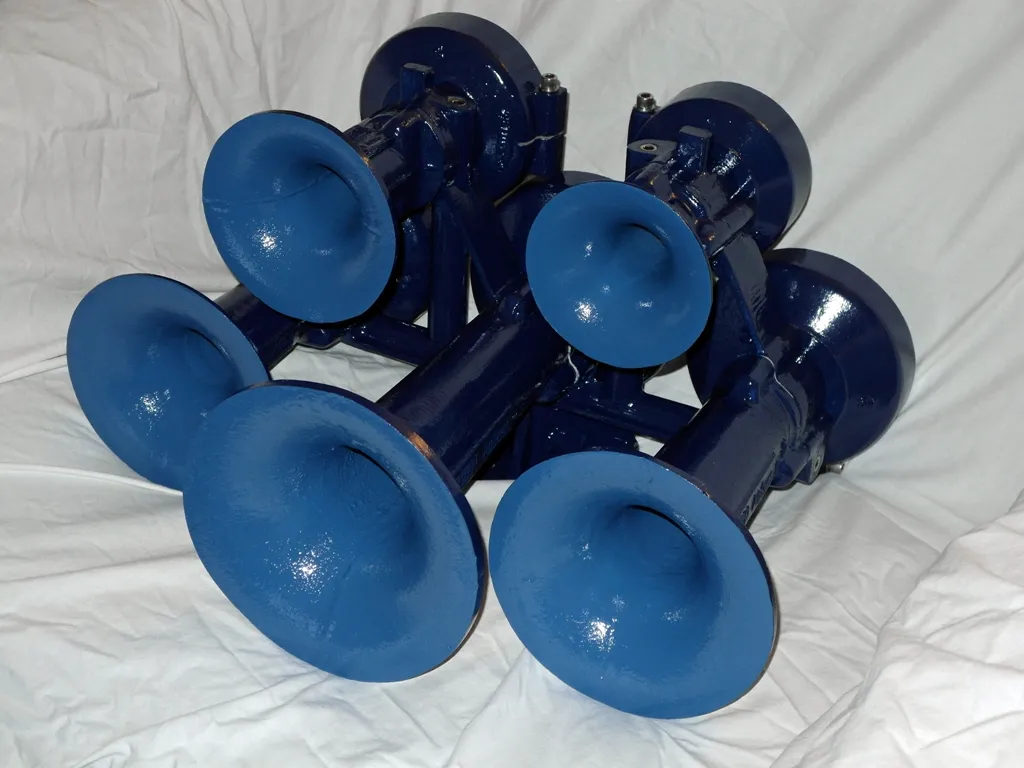
A stealth train horn install hides every piece of the system — horns, tank, compressor, even the wiring — so your truck looks bone stock right up until you hit the button. Here’s where experienced builders tuck each component, which hardware actually survives life under a truck, and the mistakes that turn a clean sleeper build into a corroded mess.
Why Build a Stealth Install?
Most train horn kits ship with polished trumpets that beg to be seen. A sleeper build goes the opposite way: every component disappears under the truck, and the payoff is the double-take when a stock-looking pickup lets loose a locomotive blast.
There are practical reasons beyond the fun, too:
- No visible hardware for thieves to clock in a parking lot
- Nothing mounted in the bed, so you keep full cargo space
- A factory look that survives resale — unbolt the system and the truck reads stock again
- Components tucked high and inboard are less likely to snag brush or debris than gear strapped under the bumper
Walk in with eyes open, though — hiding everything has costs:
- Underbody components eat road spray, salt and gravel year-round
- Horns buried behind sheet metal sound somewhat muffled compared to open bumper mounts
- The drain cock and air filter end up harder to reach, which means maintenance gets skipped
- Plan for a full weekend, not an afternoon — routing hidden lines takes time
Where to Hide the Horns
The horns are the easy part. Full-size trucks have several cavities big enough to swallow even large trumpets:
- Inside a fender well. The space between the inner fender liner and the body panel is dead air on most pickups. In one well-documented Toyota Tundra sleeper build, a set of HornBlasters Shocker XL trumpets “fit perfectly just inside the fender well” — completely invisible from outside.
- Along the frame rail, inboard of the rocker panel. The bells sit above the bottom edge of the rocker, so nothing shows in profile.
- Behind or above the rear bumper. Plenty of room on most trucks, and the rear-facing position is exactly the orientation you want for drainage anyway.
Wherever the trumpets land, orientation is non-negotiable: point the bells toward the rear and angle them slightly down so any water that gets in drains right back out. And measure before you commit — Shocker XL bells run from 12.75 to 19.50 inches long, so the biggest trumpet needs a serious cavity.
Location changes the sound, too. A horn buried in a fender well won’t project like one aimed out the front bumper. Our hub guide on where to mount a train horn on a truck breaks down the acoustic tradeoffs of every common spot.
Hiding the Air Tank: The Spare Tire Well Is King
The tank is the bulkiest component, and there’s one location purpose-built to hold something exactly that size: the spare tire carrier. HornBlasters builds a complete kit around the idea — the Stealth Spare Tire Delete Kit hangs a 5-gallon, 8-port air tank in the factory spare-tire location, and per the product listing it “fits neatly in your spare tire location for a clean, low-profile look.” The full package — Shocker XL horns, a stealth-black 1NM compressor, a 110/150 PSI pressure switch with a 40-amp relay, valve, lines and wiring — lists at $1,499.99, and the 5-gallon tank is good for roughly 10 to 12 seconds of continuous honk.
The obvious tradeoff: you give up the spare tire. If that’s a dealbreaker, copy the DIY alternative instead — a compact 2-gallon tank bolted to existing threaded holes in the frame right next to the spare, exactly what the Tundra build did. You keep the spare, the tank stays invisible, and you trade honk duration for practicality. For help choosing capacity, our air tank size guide covers the honk-time math: more gallons means longer blasts but slower refills and more steel to hide.
The Compressor: The Hardest Part to Hide
Compressors hate two things — water and heat — and the underbody has plenty of both. If the compressor is going under the truck, buy one built for it. Viair’s 444C, a favorite for onboard-air builds, carries an IP67 ingress-protection rating (dust-tight, survives temporary immersion), runs a 100% duty cycle at 100 PSI and handles a 200 PSI maximum working pressure on 12 volts. That’s the class of unit that shrugs off road spray; a bargain open-frame compressor in the same spot can die in a single wet season.
Placement rules that make or break the install:
- Bolt the compressor to the frame or a crossmember, never to a body panel — sheet metal telegraphs compressor buzz straight into the cab
- Keep it out of the direct tire-spray path, or fabricate a simple splash shield
- Relocate the intake filter to a dry area — Viair’s onboard-air kits include filter relocation lines so the intake breathes in a dry, clean part of the vehicle, like the cab, a toolbox or high in the engine bay
- Leave air around the head for cooling; a compressor boxed into a tight pocket overheats and thermal-cuts early
Routing Air Lines and Wiring Without Leaving Clues
Half of stealth is plumbing discipline. Factory harnesses and brake lines already run along the frame rails — your lines should follow the same paths and pick up the same camouflage. The Tundra build ran its 1/2-inch main air line through the bed cross brace and bundled every wire along the frame rail into the engine bay, which is why the system stays invisible even on a lift.
A few habits keep it clean and reliable:
- Sleeve air line and wiring in split loom, and use rubber grommets at every metal pass-through
- Zip-tie to factory harness runs, not to moving suspension components
- Push-to-connect fittings are a gift for blind connections behind frame rails — our train horn air fittings guide covers which fitting type belongs at each joint
- Feed the compressor with properly sized cable: the Tundra build used 4-gauge wire protected by a 60-amp circuit breaker for its twin compressor
Electrically and pneumatically, a stealth system is wired exactly like a visible one — same relay, same pressure switch, same valve. Follow the sequence in our step-by-step train horn install guide and substitute the hidden locations.
Weatherproofing and Maintenance You Can’t Skip
Hidden systems fail quietly, because out of sight becomes out of mind. HornBlasters’ own maintenance guidance calls water “the #1 enemy” of an onboard-air system and recommends draining the tank at least once a month — more often in humid climates — plus swapping the compressor’s air filter roughly every three months. Skip that routine on an underbody tank and you’re brewing rust from the inside while the road salts it from the outside.
Design for upkeep on day one:
- Make the drain cock reachable. If the tank hangs in the spare-tire well, plumb a short drain extension line to an edge you can reach without a lift.
- Mount the horns rear-facing and tilted down so the bells self-drain — zero-maintenance drainage.
- Put the relocated intake filter somewhere visible so the three-month swap actually happens.
- Rinse the underbody hardware after winter driving; salt spray is the fastest killer of tank brackets and fittings.
A water trap between compressor and tank earns its keep in a hidden system, since you’ll inevitably drain less often than you should — our water trap and air dryer guide explains the options.
A Real Sleeper Build Worth Copying
The Toyota Tundra build referenced throughout is a textbook example of the whole formula executed at once. The owner mounted a hidden twin compressor on the driver’s side, hung a HornBlasters 2-gallon tank on the passenger side next to the spare using existing threaded frame holes (no drilling), and tucked Shocker XL trumpets into the driver-side fender well with every bell facing downward for drainage. The 1/2-inch air line runs through the bed cross brace; power runs along the frame rail on 4-gauge cable with a 60-amp breaker.
His hard-won lesson: the plastic fasteners holding the inner fender liner were the worst part of the job, and his advice was to cut them off and buy replacement clips rather than fight them. Cheap insurance for anyone attempting a fender-well horn mount.
The result is a truck that passes every visual inspection as stock — until it doesn’t.
Keep reading
- Where to mount a train horn on a truck: best spots & angle
- How to install a train horn: step-by-step DIY guide
- Train horn air fittings: push-to-connect vs compression vs NPT
- Water traps & air dryers for train horn systems
- Train horn amp draw, fuse size & wire gauge
Sources
- HornBlasters 5-Gallon Stealth Spare Tire Delete Kit — TSP Parts listing — kit price ($1,499.99), 5-gallon 8-port tank, included components, 10-12 second honk time, spare-tire fitment claim
- Stealth Spare Tire Delete Kit — HornBlasters official product page — official kit listing and spare-tire-location design
- HornBlasters 5-Gallon Stealth Spare Tire Delete Train Horn Kit — Amazon — Shocker XL bell lengths (12.75–19.50 in), 150 PSI system rating
- Viair 20019 Dual 444C Onboard Air System — Assured Automotive Products — 444C IP67 rating, 100% duty cycle at 100 PSI, 200 PSI max working pressure, air-filter relocation kit
- Hidden ARB Twin Compressor and Train Horns Install — Tundras.com forum thread — real-world component locations, frame-hole tank mount, fender-well horns, 4-gauge/60-amp wiring, fender-liner advice
- Best Place to Mount Train Horns — TrainHorns.us — frame mounting recommendation, rear-facing and downward horn orientation for drainage
- Train Horn Maintenance: Preserving Your Horn Kit — HornBlasters — monthly tank draining, three-month filter replacement interval, moisture warnings
Frequently asked questions
Quick answers to the questions people ask most about this topic.
- Can you completely hide a train horn system on a truck?
- Yes. Builders tuck the trumpets inside a fender well or behind the rear bumper, hang the tank in the spare-tire location or on the frame, and mount a weather-sealed compressor to a frame rail. Done right, nothing is visible without crawling under the truck.
- Where do you hide the air tank for a train horn?
- The spare-tire well is the most popular spot — HornBlasters' Stealth Spare Tire Delete Kit hangs a 5-gallon tank there and lists at $1,499.99. If you want to keep your spare, a compact 2-gallon tank can bolt to existing holes in the frame beside it.
- Can a train horn compressor survive mounted under the truck?
- Yes, if it's rated for it. An IP67-rated compressor like the Viair 444C is dust-tight and withstands temporary immersion. Mount it to the frame, keep it out of direct tire spray, and relocate its intake filter to a dry area.
- Do hidden train horns sound quieter than bumper-mounted horns?
- Somewhat. Trumpets buried in a fender well or behind sheet metal lose some projection compared to open bumper mounts, but a real train horn is still dramatically louder than any stock electric horn. Aim the bells rearward and downward so they drain.
- How long can you honk with a 5-gallon stealth tank?
- Roughly 10 to 12 seconds of continuous honk per fill, based on HornBlasters' spare-tire-delete kit specs. Short blasts stretch that much further, and the compressor refills the tank automatically between honks.
Related reviews & guides

Running a Train Horn Off Your Air Suspension Tank: Setup Guide

Where to Mount a Train Horn Compressor: Heat, Water & Vibration
Dual Compressor Train Horn Setup: Twice the Fill Speed, Worth It?

Train Horn on a Tesla or EV: Frunk Install, 12V & Amp Limits
Adding a Second Air Tank to a Train Horn: Worth It?
