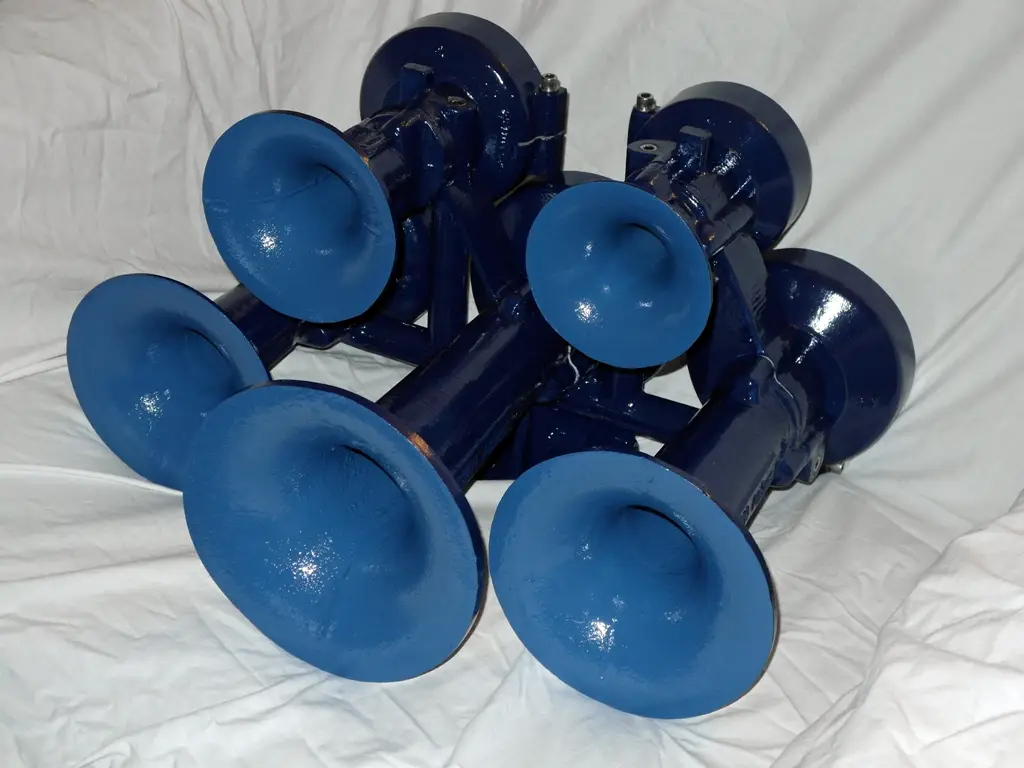
Air Pressure Regulators for Train Horns: Do You Need One?
When a train horn air system needs a pressure regulator between tank and horn, and when full tank pressure is exactly what you want. Four real use cases.
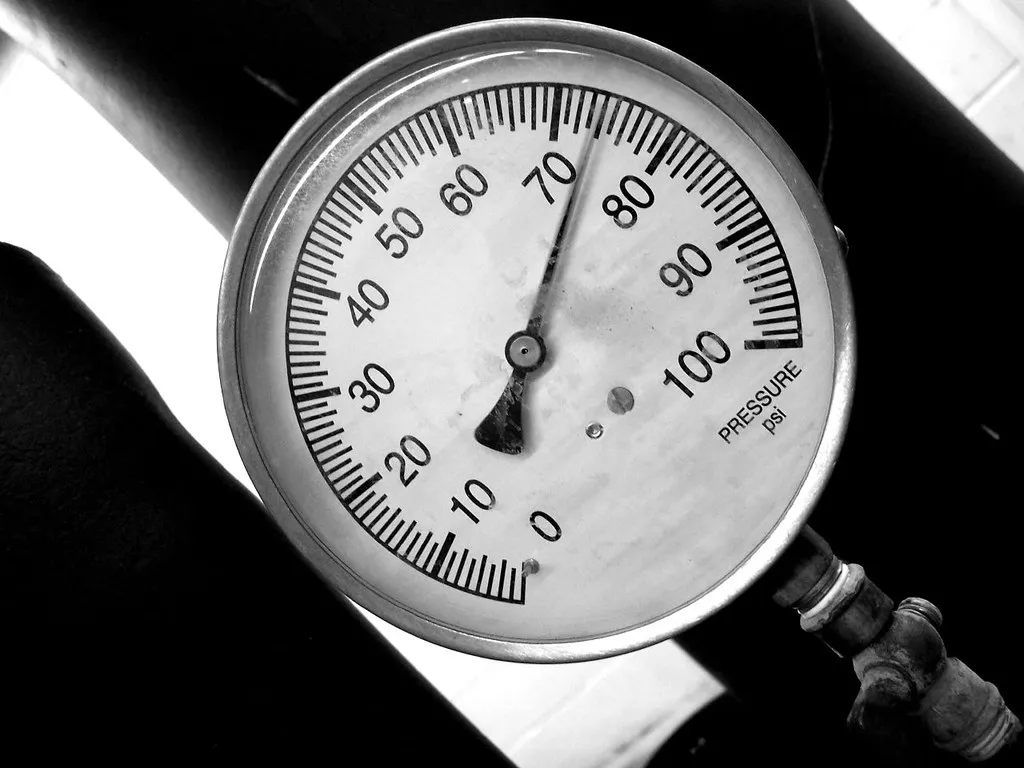
Somewhere between the air tank and the trumpets, a lot of first-time installers assume an air pressure regulator belongs in the line. Here’s the honest answer: most train horn systems don’t need one at all — but there are four specific setups where a regulator genuinely earns its spot.
What a Pressure Regulator Actually Does
A pressure regulator is a valve that controls the pressure of a fluid to a desired value, using negative feedback from the controlled pressure — that’s the textbook definition, and it describes the job perfectly. You set a target pressure with a knob or screw, and the regulator continuously throttles a valve so that everything downstream of it sees that pressure, no matter how much higher the pressure is upstream.
Inside, every regulator has three parts working together:
- A restricting element — the variable valve that actually chokes the flow
- A loading element — usually a spring you compress with the adjustment knob to set the target
- A measuring element — typically a diaphragm that senses downstream pressure and pushes back against the spring
The type used in air systems is a pressure-reducing regulator: normally open, mounted upstream of whatever it protects. Tank sitting at 200 PSI, regulator dialed to 120 PSI — everything after the regulator lives at 120.
Just as important is what a regulator does not do. It doesn’t store air, it doesn’t switch your compressor on and off, and it doesn’t stop air from flowing backward — those jobs belong to the tank, the pressure switch, and the check valve.
Regulator vs. Pressure Switch: Don’t Confuse the Two
This is the single most common mix-up in train horn wiring threads, partly because some sellers label pressure switches as “regulator switches.” They are completely different devices.
A pressure switch is an electrical component that controls your compressor. A common tank-mount switch turns the compressor on when tank pressure drops below 170 PSI and shuts it off at 200 PSI — those cut-in and cut-out numbers are fixed by the spring inside the switch. A 120/150 switch does the same dance between 120 and 150 PSI. The switch decides how much air is stored.
A regulator is a mechanical component that controls what leaves the tank. It has no wires and doesn’t care what the compressor is doing.
| Pressure switch | Pressure regulator | |
|---|---|---|
| What it controls | Compressor on/off | Downstream air pressure |
| How it works | Electrical contacts open/close | Spring-loaded valve throttles flow |
| Adjustable? | Usually fixed (buy the range you want) | Yes, dial to any setting in range |
| Every system needs one? | Yes | No — only specific setups |
Every compressor-fed train horn system needs a pressure switch — without one the compressor would run until something failed. If cut-in and cut-out numbers are new to you, our guide to train horn pressure switches walks through how they work and which range to pick. A regulator, on the other hand, is an optional add-on for particular situations.
Why Most Train Horn Kits Don’t Need One
Complete consumer kits are matched systems. The manufacturer picks a compressor, a pressure switch, and horns that are all rated for the same working pressure, so the pressure switch already caps the tank at exactly what the horns are designed to eat. Vixen’s popular onboard kits, for example, ship a 200 PSI compressor, a 2.5-gallon tank, and four trumpets as a complete package — and there’s no regulator anywhere in the parts list, because the horns are built to take full tank pressure.
There’s a second reason: loudness is the whole point, and a regulator works by restricting flow. A train horn is a high-flow device — it makes its sound by dumping a large volume of air through the power chamber as fast as the line will deliver it. Putting a restriction between the tank and the horn can only ever cost you output. Per HornBlasters’ air pressure guide, 150 PSI is the sweet spot for most train horns, from single-bell units up to multi-chime locomotive horns — and the way you get there is with a 120/150 pressure switch, not by strangling a bigger tank through a regulator.
Add in that every extra fitting is a potential leak point, and the default advice writes itself: if you bought a complete kit, plumb it exactly as the manufacturer designed it. For the deeper story on how pressure translates to sound, see our guide to what PSI train horns actually need.
The Four Cases Where a Regulator Earns Its Spot
1. A real locomotive horn on a high-pressure air system. Authentic Leslie and Nathan horns were engineered for locomotive air systems, not 200 PSI truck tanks. The long-running FAQ on Train Horn Forums is blunt about it: run real Leslies and Nathans at 150 PSI or below, because as they put it,
“Running them at 200psi changes the tone of the horn, and actually decreases the decibel level.”
That’s right — feeding a Nathan K5LA (a five-chime horn that produces a measured 149 dB) more pressure than it was designed for makes it sound worse, not louder. If your air system tops out at 200 PSI and you’re mounting a genuine locomotive horn, either swap to a lower pressure switch or put a regulator in the horn line and dial it to 150 PSI or below.
2. Onboard air that also runs tools or accessories. If your horn tank doubles as a shop-air source, a regulator becomes mandatory — on the accessory leg. Air tools made for general use typically want 70 to 90 PSI, per Quincy Compressor’s sizing guide, and hitting a ratchet or blow gun with 200 PSI is a good way to damage it. The right layout: tee off the tank, regulator and coupler on the tool branch, horn line left wide open. We cover those setups in our onboard air uses guide.
3. You want the option of a quieter horn. Dialing down the PSI with a regulator makes the horn noticeably quieter — BossHorn’s PSI guide notes this is the practical way to tame a horn for neighborhood use. An adjustable regulator in the horn line lets you run polite pressure around town and full pressure on the highway. It’s the one scenario where deliberately choking your horn is the feature, not the bug.
4. A downstream component rated below tank pressure. Some solenoid valves, plastic gauges, and inflation accessories carry maximum pressure ratings lower than a 200 PSI tank. Check the rating stamped on every component in your line; if anything is rated below your pressure switch’s cut-out, a regulator (or a higher-rated part) is the fix.
Picking and Plumbing One
If you’ve landed in one of the four cases, don’t grab the smallest regulator on the shelf. What to look for:
- Maximum inlet rating at or above your tank’s cut-out pressure — a regulator rated below your tank’s max is a failure waiting to happen
- Ports that match your air line — 1/4” NPT minimum, and bigger is better for horn duty
- An adjustment range that covers your target (a regulator that maxes at 125 PSI can’t give a K5LA its 150)
- A gauge port, so you can see what you actually set
Basic inline regulators with 1/4” ports run about $35, so this is a cheap fix. Installation order:
- Drain the tank to zero and disconnect the compressor’s power lead.
- Cut into the line between the tank outlet and the horn solenoid (or on the accessory tee, if that’s your use case).
- Seal the NPT threads and confirm the flow arrow on the body points away from the tank.
- Air up, then set the pressure while the horn is blowing — regulators droop under flow, so a static setting will read high.
- Soap-test every new joint before you call it done.
One warning from the flow side: if your horn suddenly sounds weak or “windy” after adding a regulator, the regulator is the suspect. Small-bodied units can’t pass the volume a multi-trumpet horn demands, and the horn starves mid-blast. Size up, or take the regulator back out of the horn leg.
One last exception worth naming: semi trucks. If you’re tapping your rig’s existing brake-system air for a horn, the plumbing rules are different from a 12V kit — our semi truck train horn guide covers how to do that safely.
Bottom Line: Quick Decision Guide
- Complete consumer kit, stock plumbing → no regulator; the pressure switch already matches tank to horns
- Genuine Leslie or Nathan locomotive horn on a 200 PSI system → regulator set to 150 PSI or below (or a lower pressure switch)
- Horn tank that also feeds air tools → regulator on the tool branch only, dialed to 70–90 PSI
- Want a “quiet mode” for the neighborhood → adjustable regulator in the horn line, turned down on demand
- Any component rated below tank pressure → regulate or replace it
Keep reading
- Train Horn Pressure Switches: Cut-In, Cut-Out & 110/145 vs 165/200
- Train Horn PSI Explained: What Pressure Do You Need?
- Best Train Horn for a Semi Truck: Use Your Rig’s Existing Air
- Train Horn Onboard Air Uses: Tires, Air Tools & Suspension
- What Size Air Line for a Train Horn? 1/4 vs 3/8 vs 1/2
Sources
- Pressure regulator — Wikipedia — definition, internal components (restricting/loading/measuring elements), and pressure-reducing regulator operation
- Vixen Horns 170-200 PSI Air Pressure Switch VXA7200 — Amazon — 170 PSI cut-in / 200 PSI cut-out pressure switch behavior, 1/4” NPT
- Vixen Horns 120-150 PSI Air Pressure Switch VXA7150 — Amazon — 120/150 PSI switch range
- Vixen Horns Train Horn Kit, 4 Trumpets, 200 PSI Compressor, 2.5 Gallon Tank — Amazon — complete-kit contents (200 PSI compressor, 2.5-gal tank, 4 trumpets, no regulator)
- Frequently Asked Questions on Train Horns, Tank Size, Compressors — Train Horn Forums — real Leslie/Nathan horns at 150 PSI or below; 200 PSI changes tone and decreases decibel level
- Nathan AirChime K5LA Horn — Amazon — K5LA five-trumpet configuration and 149 dB measured output
- How Do You Determine Needed Air Pressure? — Quincy Compressor — general-use air tools require 0–5 CFM at 70–90 PSI
- Understanding PSI: What Air Pressure Really Means — HornBlasters — 150 PSI as the best operating pressure for most train horns
- Boost Safety: Train Horn PSI Guide — BossHorn — using a regulator to dial down PSI for a quieter horn
- 1/4” NPT Inline Air Pressure Regulator 0-150 PSI, Model AR-4 — Pressure Shop — inline regulator price point (~$35) and port size
Frequently asked questions
Quick answers to the questions people ask most about this topic.
- Do I need an air pressure regulator for my train horn?
- Usually no. Complete consumer kits are matched systems — the pressure switch already caps the tank at the pressure the horns are designed for, and adding a regulator only restricts flow and adds a leak point. You only need one for specific setups like running a real locomotive horn on a high-pressure tank or feeding air tools from the horn tank.
- What is the difference between a pressure regulator and a pressure switch?
- A pressure switch is an electrical part that turns the compressor on and off at fixed cut-in and cut-out points (for example, on at 170 PSI and off at 200 PSI) to control how much air is stored. A regulator is a mechanical valve that controls the pressure of the air leaving the tank. Every compressor system needs a pressure switch; only some need a regulator.
- Will a regulator make my train horn quieter?
- Yes. Dialing down the PSI with an adjustable regulator in the horn line reduces the horn's volume, which is the practical way to get a neighborhood-friendly 'quiet mode' while keeping full pressure available when you want it.
- What PSI should a real locomotive horn like the Nathan K5LA run at?
- 150 PSI or below. Running authentic Leslie and Nathan horns at 200 PSI changes their tone and actually decreases the decibel output, so on a 200 PSI air system you should add a regulator set to 150 PSI or below, or swap to a lower-range pressure switch.
- Where does a pressure regulator go in a train horn air system?
- Between the tank outlet and the horn solenoid if you're regulating the horn itself, or on a separate tee off the tank if you're only regulating an accessory line for air tools. Set the pressure while the horn is blowing, since regulators read higher at no-flow than under load.
Related reviews & guides

Train Horn on a Tesla Cybertruck: 48V, Inverter Kit & Mounting

Running a Train Horn Off Your Air Suspension Tank: Setup Guide

Where to Mount a Train Horn Compressor: Heat, Water & Vibration
Dual Compressor Train Horn Setup: Twice the Fill Speed, Worth It?
How to Remove a Train Horn: Uninstall, Plug Holes & Go Stock