How Long Do Air Horns Last? Maintenance & Lifespan
How long do air horns last? With basic maintenance a train horn kit can outlive your truck. Here is what wears out, what to drain, and how to make it last.
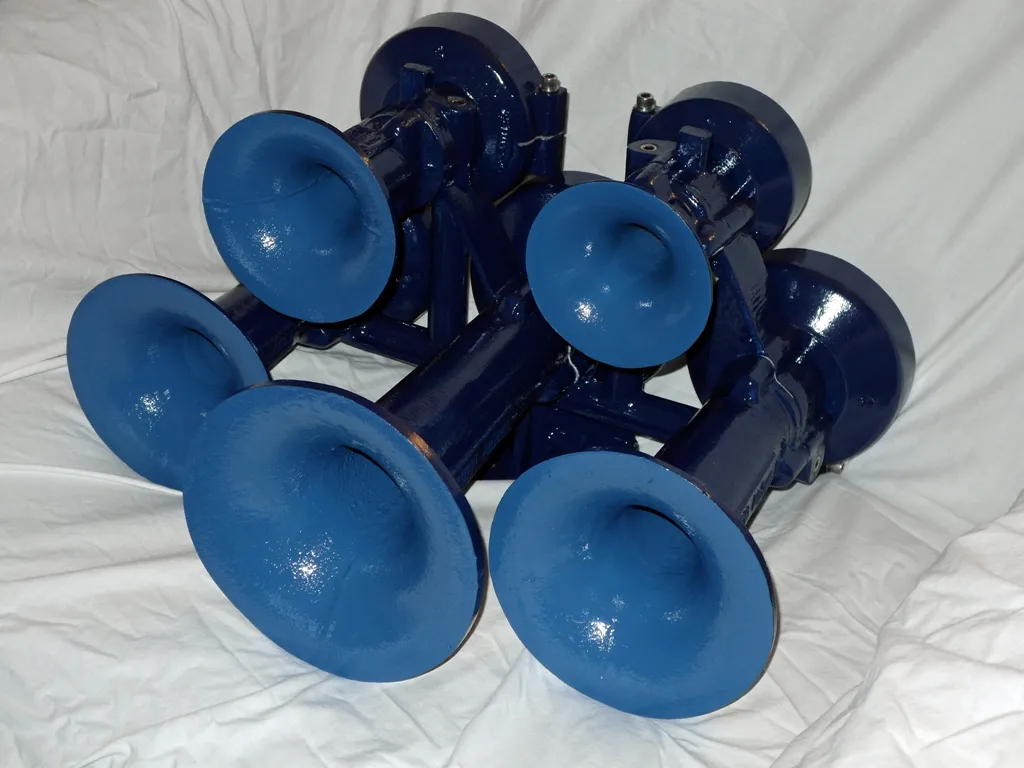
Ask how long do air horns last and the honest answer is: longer than the truck you bolt them to, as long as you keep moisture out of the system. The trumpets themselves are basically immortal, but the compressor, check valve, and pressure switch wear at very different rates.
The short answer: decades for the horn, years for the wear parts
A train horn system isn’t one thing with one lifespan. It’s a loud part (the trumpets) and a support system that keeps them fed with air. The trumpets are just shaped metal or composite with a diaphragm inside, so there’s almost nothing to wear out. HornBlasters, who have been building kits for over two decades, note that many of their early customers still run the original kits they bought more than ten years ago, using them daily. With proper install and upkeep, a quality kit can genuinely outlast the vehicle.
The support hardware is where the clock actually ticks. The compressor has a motor and moving parts. The pressure switch cycles thousands of times. The check valve takes a pressure hit every time the horn fires. Those are the parts you’ll eventually touch, not the horns.
- Trumpets
- 10+ years, often the life of the vehicle
- Compressor
- Years, depends heavily on duty cycle and moisture
- Pressure switch
- First common failure; cheap to replace
- Check valve
- Wears or fails from over-torque
What actually wears out first
If something in your kit is going to quit, the pressure switch is the usual first suspect. HornBlasters lists it as the part most likely to fail first, and the good news is it’s a straightforward, inexpensive swap. It’s the little component that tells your compressor when to kick on and when to stop, so when it dies the symptom is usually a compressor that won’t build pressure or won’t shut off.
The check valve is next. It sits on the braided leader hose between the compressor and the tank, and its only job is to keep stored air from flowing backward into the compressor. It can wear naturally, but the most common killer is over-tightening during install. There’s a simple field test: blow through it. If air passes back toward the compressor, it’s done. To understand how all these parts feed each other, it helps to know how train horns work as a complete air system rather than a single device.
- Pressure switch stops cycling the compressor correctly
- Check valve leaks air backward after over-torquing
- Diaphragm pitch changes when moisture gets trapped inside
- Compressor motor wears early if run past its rated pressure
Moisture is the real enemy
If you remember one thing from this guide, make it this: water kills air systems. HornBlasters flat-out calls moisture buildup from infrequent tank draining the leading cause of customer issues with horn kits. Air gets compressed, it cools, and the water vapor inside condenses into liquid that pools in the bottom of your tank. Left there, it rusts the tank from the inside, corrodes fittings, and can creep into the trumpets.
That trapped water is also why a healthy horn suddenly sounds wrong. A higher pitch or a squeak usually means moisture has gotten into the diaphragm. Often you can clear it just by blasting the horn a few times, but the real fix is keeping the water out in the first place. This matters even more if you run a tank-based setup rather than a self-contained unit, which is one of the trade-offs covered in our air-tank vs battery comparison.
A realistic maintenance schedule
None of this takes special tools. The whole routine is a few minutes here and there, and it’s the single biggest factor in how long your system lasts.
- Drain the tank regularly. Open the drain valve and let the water and pressure out. Do it more often in humid climates. This one habit prevents most expensive failures.
- Inspect monthly. Aggressor Horns recommends a once-a-month look over your fittings, lines, and connections for leaks, debris, and corrosion. Catching a weeping fitting early is free; catching it after it rusts is not.
- Test fire weekly. A short blast at least once a week keeps internal components from seizing and pushes out any moisture sitting in the diaphragm.
- Keep it dry. A water trap or inline air dryer on the system dramatically cuts how much moisture ever reaches the tank.
- Lubricate sparingly. Use manufacturer-recommended lubricant on moving parts, and don’t overdo it. Over-lubrication attracts grit.
If your horn has gone quiet or weak and you’re not sure why, our train horn troubleshooting guide walks through the diagnosis step by step before you start replacing parts.
Duty cycle: the spec that decides compressor lifespan
Here’s the number most people ignore when they ask how long their compressor will last. Duty cycle is the ratio of how long a compressor can run versus how long it must rest to avoid overheating. A compressor with a 33% duty cycle at 100 PSI, like the popular Viair 400C, can run roughly a third of the time at that pressure before it needs to cool down.
Run a compressor inside its rated duty cycle and it lasts for years. Push it past that — by running a tank that’s too big for it, or by exceeding its rated working pressure — and you cook the motor. HornBlasters’ own glossary is blunt about it: running above maximum working pressure causes abnormal wear and voids the warranty. Most quality compressors include a thermal overload protector that shuts the motor off before it fries, but you don’t want to rely on that as a daily habit.
A correctly set pressure switch protects the motor too. The start-up (cut-in) pressure typically sits about 40 PSI below the cut-off pressure, and that gap gives the compressor time to cool between cycles. If you want to dial this in for your own setup, see our train horn PSI guide.
- Match tank size to your compressor’s rated duty cycle
- Never set cut-off above the compressor’s max working pressure
- Leave the factory cut-in/cut-out gap alone unless you know why you’re changing it
- Let the thermal protector be a safety net, not your normal operation
When real train horns need a rebuild
Genuine locomotive-style horns, like the Nathan AirChime line, are built to survive decades of weather. But even they aren’t fully maintenance-free. After years of hard use, the diaphragms and cushions inside can wear, and replacing them brings the horn back to its original tone and volume. This is normal service on a railroad horn, not a defect — it’s the same logic as replacing a worn part on any precision instrument that gets used hard.
For a typical aftermarket truck kit, you’ll almost never rebuild a trumpet. You’ll replace a pressure switch, maybe a check valve, drain your tank, and keep going. That’s the whole reason a well-maintained kit can follow you from one truck to the next.
FAQ
How long do air horns last on average?
The trumpets themselves commonly last ten or more years and often outlive the vehicle. The compressor and small wear parts (pressure switch, check valve) have shorter lifespans measured in years, and how you treat moisture and duty cycle is what decides whether that’s a few years or many.
What is the most common part to fail on a train horn kit?
The pressure switch is generally the first to go, followed by the check valve. Both are inexpensive and quick to replace, which is why a horn kit can keep running long after its original switch has been swapped out.
How often should I drain my air tank?
Regularly, and more often in humid conditions. Moisture buildup from skipping tank drains is cited as the number one cause of horn kit problems, so a few minutes draining the tank can save you from rust and replacement parts down the road.
Why does my air horn sound higher pitched or squeaky?
That’s almost always moisture trapped in the diaphragm. Blasting the horn a few times often clears it, but the lasting fix is keeping water out of the system with regular tank draining and a water trap or air dryer.
Can running my compressor too long damage it?
Yes. Every compressor has a duty cycle — a run-time-to-rest ratio. Exceeding it, or running past the compressor’s rated working pressure, causes overheating and abnormal wear that shortens motor life and can void the warranty.
Sources
- HornBlasters — Maintenance & Repair After Years of Use — kit longevity (10+ years, daily use), pressure switch as first failure, check valve test, Nathan diaphragm/cushion replacement, moisture as the primary enemy.
- HornBlasters — Get to Know Your Horn Kit — tank draining as the leading cause of issues, check valve role and torque, fast-fill vs constant-duty compressor types.
- HornBlasters — Glossary of Terms — duty cycle, CFM, cut-off and start-up pressure (~40 PSI gap), exceeding rated pressure causes abnormal wear and voids warranty.
- Aggressor Horns — How to Maintain Your Air Horn and Compressor for Longevity — monthly inspection, weekly test firing, water trap/air dryer, lubrication guidance.
- Viair 400C Compressor Specifications — 33% duty cycle at 100 PSI, 150 PSI max working pressure, thermal overload protector.
Keep reading
Frequently asked questions
Quick answers to the questions people ask most about this topic.
- How long do air horns last on average?
- The trumpets themselves commonly last ten or more years and often outlive the vehicle, since they are just shaped metal or composite with a diaphragm and have almost nothing to wear out. The compressor and small wear parts have shorter lifespans measured in years, depending on how you handle moisture and duty cycle.
- What is the most common part to fail on a train horn kit?
- The pressure switch is generally the first to go, followed by the check valve. Both are inexpensive and quick to replace, which is why a kit can keep running long after its original switch has been swapped out.
- How often should I drain my air tank?
- Drain it regularly, and more often in humid conditions. Moisture buildup from skipping tank drains is cited as the number one cause of horn kit problems, so a few minutes draining the tank prevents most expensive failures.
- Why does my air horn sound higher pitched or squeaky?
- That is almost always moisture trapped in the diaphragm. Blasting the horn a few times often clears it, but the lasting fix is keeping water out of the system with regular tank draining and a water trap or air dryer.
- Can running my compressor too long damage it?
- Yes. Every compressor has a duty cycle, the ratio of run time to rest time needed to avoid overheating. Exceeding it, or running past the compressor's rated working pressure, causes overheating and abnormal wear that shortens motor life and can void the warranty.
Related reviews & guides
Teflon Tape vs Pipe Dope for Train Horn Fittings: Which Seals Better?
Train Horn Compressor Intake Filter: Clean, Replace & Relocate It
Train Horn Wireless Remote Problems: Range, Pairing & Misfires
Train Horn Compressor Rebuild Kits: Rings, Pistons & When to Replace
Are Train Horns Waterproof? Rain, Car Washes & Water Protection