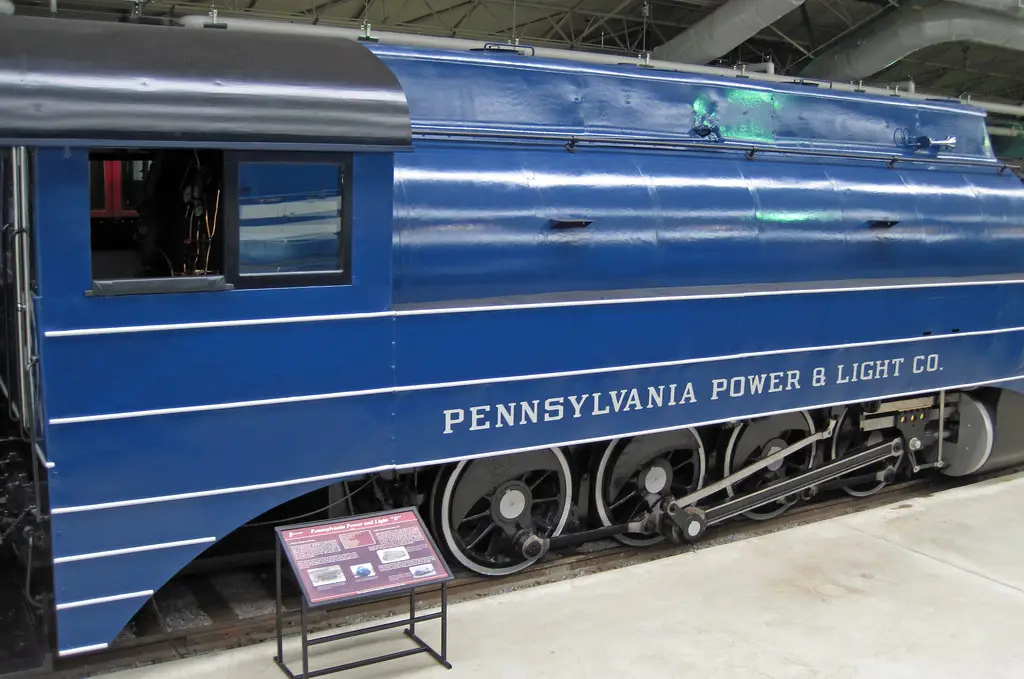
Train Horn Winter Prep: Stop Frozen Air Lines & Moisture
Cold weather turns trapped moisture into ice that chokes your train horn. Here's how to drain, dry, and winterize the air system so it still blows in a freeze.
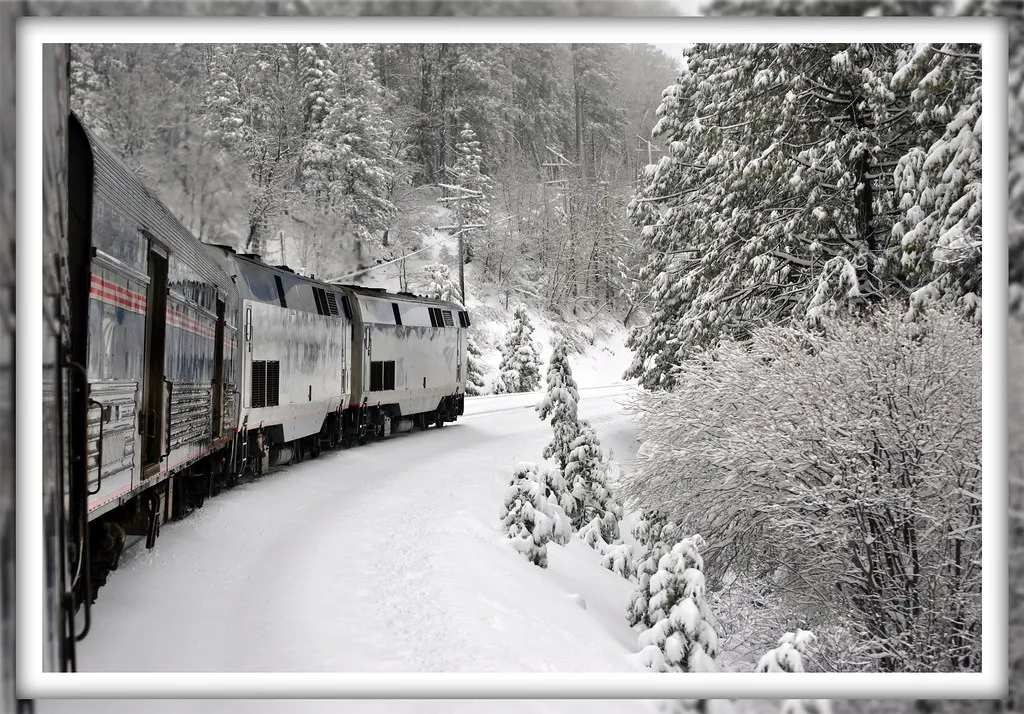
If your train horn went silent the first morning the temperature dropped below freezing, the culprit is almost never the horn itself — it’s water that condensed inside the air system and turned to ice overnight. A little winter prep keeps the air lines clear so your horn still blows when it’s 20°F outside.
Why cold weather kills air horns
Every air compressor pulls in humid ambient air, and as that air is compressed and then cools, the moisture in it condenses into liquid water that collects at the bottom of your tank and creeps through the lines. In summer that water is just an annoyance. In winter it’s a real problem: once the air around your tank, valves, and lines drops below 32°F, that trapped condensate freezes solid.
Ice in a compressed air system does exactly what you’d fear. Per cold-weather guidance from compressed-air specialists, freezing condensate can clog or crack drain valves, freeze drain cocks shut, build up inside filters until it restricts airflow, and block the piping. Because water expands as it freezes, it can crack fittings outright. On a train horn kit, the failure usually shows up as a check valve frozen shut (so the compressor can’t refill the tank), a solenoid valve iced up (so no air reaches the trumpets), or a slug of ice in a line that strangles the blast.
If you want the full picture of how the compressor, tank, valve, and trumpets work together, our explainer on how train horns work walks through every part of the air path that winter can freeze.
Moisture is the enemy — drain religiously
The single most effective thing you can do for winter is also the simplest: get the water out before it can freeze. HornBlasters flatly calls water “the number one enemy” of an air horn system, noting it collects at the tank bottom and spreads from there to corrode components.
Their baseline recommendation is to drain the tank at least once a month, and more often in humid climates. In winter, that’s not enough. As one forum installer put it, “simply draining excess water everyday will prevent water or freezing problems in the valve.” Compressed-air maintenance guidance for cold conditions agrees — drain condensate manually at least once a day when temperatures are near or below freezing.
Draining is a 30-second job:
- Park on level ground with the tank fully pressurized.
- Open the drain cock at the lowest point of the tank — turn it clockwise to release air and water.
- Let the blast of air push the accumulated water out completely.
- Close it back up (counter-clockwise) once only dry air is hissing out.
If your drain valve is hard to reach, this is the upgrade that pays for itself in winter: swap it for an extended drain line or a quarter-turn ball valve so you’ll actually do it daily instead of skipping it.
Keep water from getting in: dryers and separators
Draining removes water that’s already in the tank. The smarter long-term move is to stop as much of it as possible from getting in. This is exactly the strategy the railroads use. According to BNSF’s locomotive maintenance program, “winterization is all about removing moisture in the trainline air to the greatest extent possible and preventing any moisture that is present from freezing.” Their toolkit includes air dryers and heated blowdowns to pull moisture out of the compressed air before it can freeze downstream.
You can borrow the idea on a truck-sized scale:
- Inline water separator / filter. Mounted right after the compressor before the tank, it traps a large share of the condensate before it ever reaches your air. One installer described adding “a water separator after my compressor attached to the tank” specifically to stop moisture infiltration.
- Desiccant air dryer. The same principle commercial trucks use to keep their brake air dry — a desiccant cartridge that adsorbs water vapor out of the compressed air stream.
- Quality air filter on the intake. HornBlasters recommends replacing the compressor’s air filter about every three months; a clean filter helps the compressor run cooler and move less junk into the system.
Protect the valve and lines from freezing
Even a well-drained system can have a thin film of moisture left in the solenoid valve or a low spot in a line — and that’s all it takes to freeze a valve shut. The fix is to keep the most vulnerable parts warm or insulated, which is precisely what railroads do for their horns.
BNSF specifically wraps locomotive horn valves in what they call “horn mag-valve jackets” — insulation jackets over the horn’s magnetic valve mechanism — and runs heat tape along the main reservoir pipe to keep moisture in the air from freezing. They even add headlight heaters and run an autumn inspection on every locomotive to confirm the winter gear works before the cold hits. BNSF credits these combined measures with an 8% drop in locomotive-related service interruptions in its North Region.
For a vehicle horn, scale that down:
- Mount the solenoid valve inside the engine bay where radiant engine heat keeps it above freezing — one installer put his “electric horn valve inside the engine compartment so the radiant heat from the engine will keep my valve from freezing up.”
- Insulate exposed air lines and the valve with foam pipe wrap or self-regulating heat tape, the consumer version of what BNSF runs on its reservoir pipes.
- Route lines to avoid low traps where water can pool and freeze; give every line a downhill path to the drain.
- Mount the tank where road spray and standing water won’t sit on the drain cock and freeze it shut.
Blow it out and use a moisture absorber
Two cheap habits clear residual moisture before it can freeze. First, blow the horn. HornBlasters notes that a higher-pitched or squeaking horn usually means moisture sitting in the diaphragm, and “the best way to remove water is to blow it out” — a few full blasts physically push the water through the trumpets. Sounding the horn once a day in cold weather keeps the diaphragms and trumpet throats from icing up.
Second, a small amount of isopropyl alcohol added to the tank will absorb residual moisture in the tank and lines, lowering the freezing point of whatever water remains — the same logic behind the “air brake antifreeze” sold for commercial trucks. Use only a small amount of isopropyl (not automotive coolant antifreeze, which is the wrong chemistry and can attack seals), and check your kit maker’s guidance first, since some seals and diaphragm materials don’t love solvents.
If you’re sizing or re-pressurizing your system this winter, our guide on train horn PSI and pressure covers what tank pressure you actually need, and the step-by-step install guide shows where to place the tank, valve, and drain for the easiest winter maintenance.
A simple winter checklist
Put these on repeat from the first hard freeze until spring:
- Drain the tank daily (or at minimum after every drive) when it’s below freezing.
- Sound the horn once a day to push moisture out of the diaphragms.
- Add an inline water separator and, ideally, a desiccant dryer.
- Insulate or heat-tape the solenoid valve and any exposed lines.
- Add a small dose of isopropyl alcohol to the tank if your kit allows it.
- Consider a switch to cut the compressor during deep cold snaps if the check valve has frozen before.
FAQ
Will leaving water in the tank really freeze and break it?
Yes. Water expands as it freezes, and trapped condensate can crack drain valves, fittings, and even the tank in a hard freeze. More commonly it just freezes your check valve or solenoid shut so the horn won’t blow until everything thaws. Draining is the cure.
Can I put antifreeze in my train horn tank?
Use a small amount of isopropyl alcohol, not engine coolant. Isopropyl absorbs moisture and lowers the freezing point of any remaining water, similar to commercial air-brake antifreeze. Automotive coolant antifreeze is the wrong chemistry and can attack rubber seals and diaphragms. Check your kit maker’s guidance first.
Why does my horn sound higher-pitched or squeaky in the cold?
That’s almost always moisture sitting in the diaphragm. HornBlasters notes the fix is to blow it out — a few hard blasts push the water through the trumpets and the tone returns to normal. If it persists, drain the tank and check for water in the lines.
How often should I drain the tank in winter?
The year-round minimum is monthly, but in freezing weather drain daily — ideally after every drive while the air is still warm and the water is still liquid. It takes about 30 seconds and is the single most effective freeze-prevention step.
Do I need an air dryer for a vehicle train horn?
It’s not mandatory, but it’s the most effective way to keep water out of the system, which is exactly why railroads and commercial trucks use them. At minimum, add an inline water separator after the compressor. A desiccant dryer is the next step up if you run the horn in a humid or cold climate year-round.
My compressor won’t refill the tank in the cold — what’s wrong?
A frozen check valve is the usual cause: ice holds it shut so the compressor can’t push air into the tank. Thaw the valve, drain all moisture, and prevent a repeat by drying the air and insulating the valve. Some installers add a switch to disable the compressor during deep freezes to avoid stressing a stuck valve.
Sources
- HornBlasters — Preserving Your Horn Kit — water as the “number one enemy,” monthly tank-draining minimum, drain-cock procedure, quarterly air-filter replacement.
- HornBlasters — Maintenance and Repair After Years of Use — moisture in the diaphragm causing high-pitch/squeak, blowing the horn to clear water, replaceable diaphragms.
- BNSF Railway — Locomotive Winterization — removing moisture from trainline air, air dryers, heated blowdowns, horn mag-valve jackets, reservoir-pipe heat tape, autumn inspections, 8% interruption reduction.
- Fluid-Aire Dynamics — Cold Ambient Temperatures and Compressed Air — 32°F freezing threshold, condensate freezing/cracking drains, frozen valves and filters, daily manual draining, trace heating and insulation in cold.
- Train Horn Forums — Cold Weather thread — daily draining, water separator after compressor, mounting the valve near engine heat, check-valve/solenoid freezing, compressor shutoff switch.
- Fluid-Aire Dynamics — Getting Water Out of Compressed Air — how moisture forms in compressed air and accumulates in the tank and lines.
Keep reading
- How Do Train Horns Work? Complete Explanation — the full air path winter can freeze.
- Train Horn PSI Explained: What Pressure Do You Need? — sizing your tank and pressure.
- How to Install a Train Horn: Step-by-Step DIY Guide — placing the tank, valve, and drain for easy maintenance.
- Train Horn Not Working? Troubleshooting Why It Won’t Blow — diagnosing a silent horn, freeze-related or not.
Frequently asked questions
Quick answers to the questions people ask most about this topic.
- Why does my train horn stop working in freezing weather?
- The culprit is almost never the horn itself but water that condensed inside the air system and turned to ice. Once the air around the tank, valves, and lines drops below 32°F, trapped condensate freezes solid and can freeze a check valve or solenoid shut so no air reaches the trumpets.
- Will leaving water in the tank really freeze and break it?
- Yes. Water expands as it freezes, so trapped condensate can crack drain valves, fittings, and even the tank in a hard freeze. More commonly it just freezes your check valve or solenoid shut so the horn won't blow until everything thaws.
- How often should I drain the tank in winter?
- The year-round minimum is monthly, but in freezing weather you should drain daily, ideally after every drive while the air is still warm and the water is still liquid. It takes about 30 seconds and is the single most effective freeze-prevention step.
- Can I put antifreeze in my train horn tank?
- Use only a small amount of isopropyl alcohol, not engine coolant. Isopropyl absorbs moisture and lowers the freezing point of any remaining water, while automotive coolant antifreeze is the wrong chemistry and can attack rubber seals and diaphragms. Check your kit maker's guidance first.
- Why does my horn sound higher-pitched or squeaky in the cold?
- That is almost always moisture sitting in the diaphragm. The fix is to blow it out, since a few hard blasts push the water through the trumpets and the tone returns to normal. If it persists, drain the tank and check for water in the lines.
- Do I need an air dryer for a vehicle train horn?
- It is not mandatory, but it is the most effective way to keep water out of the system, which is why railroads and commercial trucks use them. At minimum, add an inline water separator after the compressor, with a desiccant dryer as the next step up for humid or cold climates.
Related reviews & guides
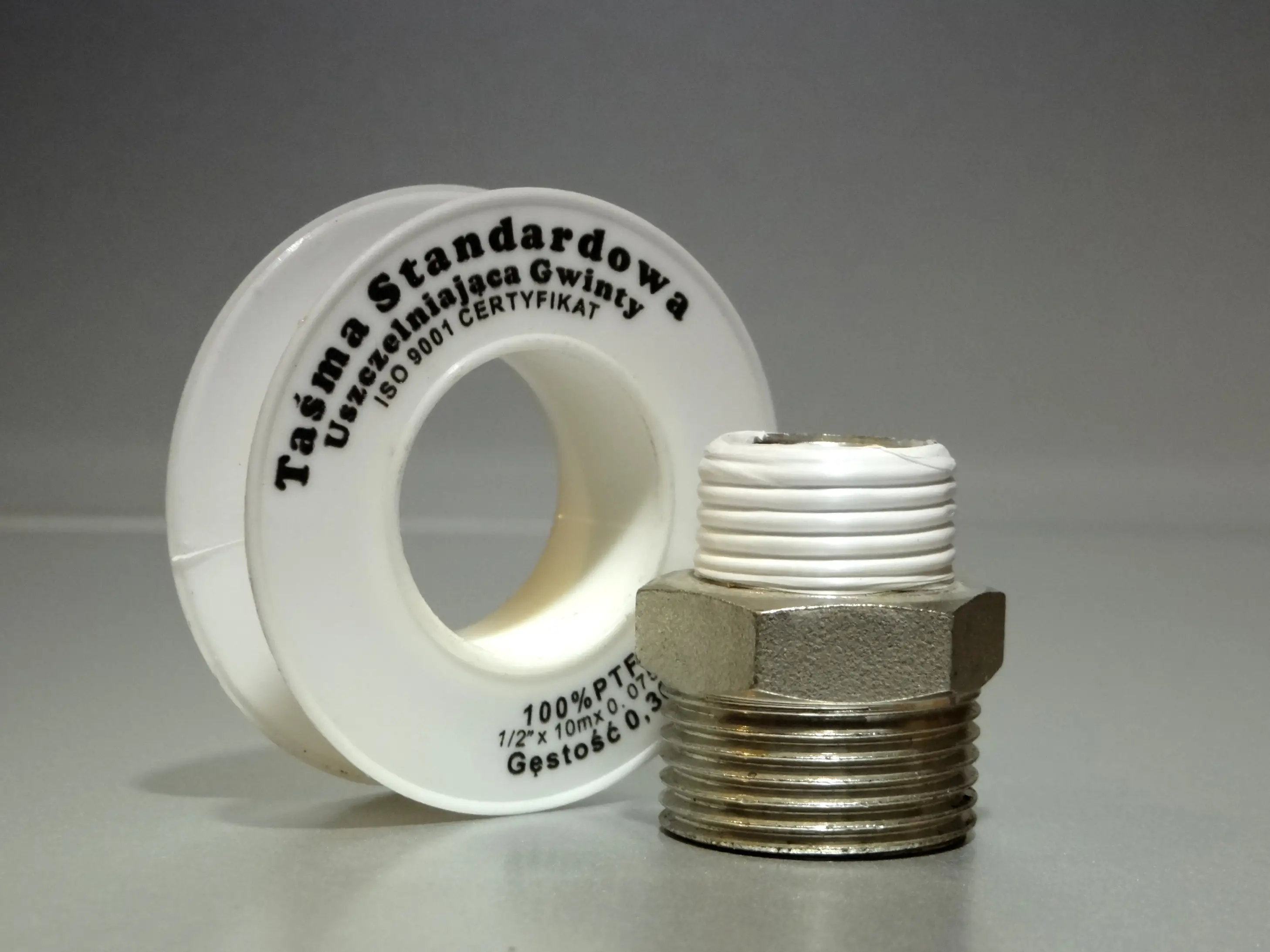
Teflon Tape vs Pipe Dope for Train Horn Fittings: Which Seals Better?
Train Horn Compressor Intake Filter: Clean, Replace & Relocate It
Train Horn Wireless Remote Problems: Range, Pairing & Misfires
Train Horn Compressor Rebuild Kits: Rings, Pistons & When to Replace

Are Train Horns Waterproof? Rain, Car Washes & Water Protection