Train Horn Sounds: Library & Downloads
Every recognizable North American train horn sound — Nathan AirChime K-series, Leslie RS3L, freight calls, steam whistles, regional and international samples — plus ringtones, downloads, and the FRA grade-crossing pattern explained.
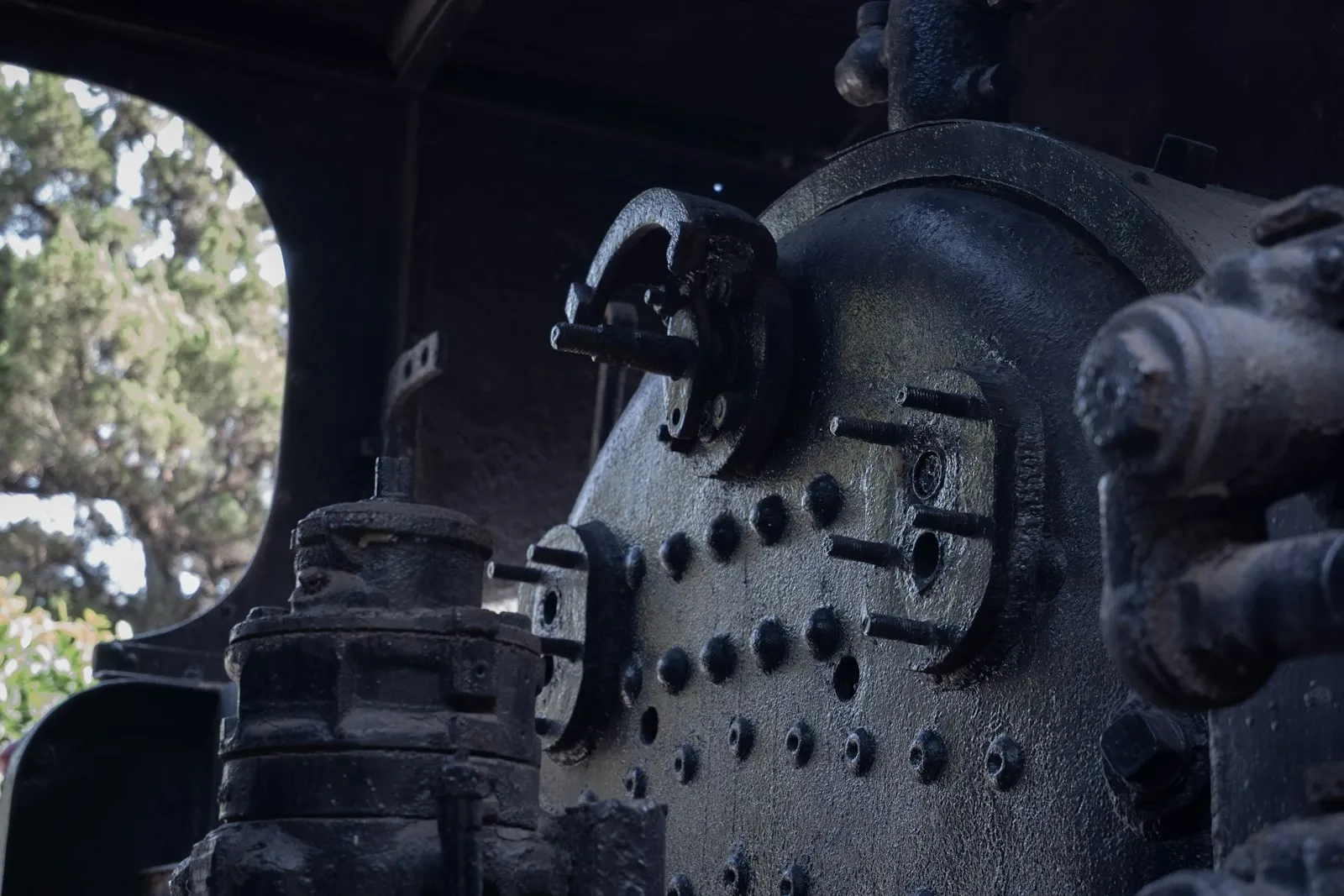
What a train horn actually sounds like
North American railroad horns are chord horns — multiple bells of different lengths sounding simultaneously to produce a recognizable interval. The bell length sets the fundamental: longer bells make lower notes. Most locomotive horns sit in the 300–700 Hz fundamental range, with high-order harmonics extending past 5 kHz and giving the horn its distinctive cutting timbre (Wikipedia: Train horn).
The Federal Railroad Administration requires every locomotive horn to be between 96 dB and 110 dB measured 100 feet forward of the locomotive, per the Train Horn Rule, 49 CFR Part 222 (FRA Train Horn Rule & Quiet Zones). The Nathan AirChime K5 has been independently measured at 149.4 dB at the horn itself; sound drops by roughly 6 dB for every doubling of distance, so a 149 dB horn at the source falls to ~110 dB by 100 feet.
On the manufacturer side, Nathan AirChime supplies more than 90% of America's locomotive horns (Nathan AirChime, official); Leslie Controls is the historical second source.
The horn pattern you hear at every grade crossing
Every North American locomotive must sound the same four-blast pattern when approaching a public highway-rail grade crossing: two long, one short, one long — written as — — • — — repeated until the locomotive clears the crossing (Union Pacific: Train Horns & Grade Crossing Signals).
- The pattern starts 15–20 seconds before the locomotive reaches the crossing.
- If the train is travelling faster than 60 mph, the horn is not sounded more than a quarter mile in advance — even if that means less than 15 seconds of warning.
- The rule applies to public grade crossings; private crossings are governed by railroad operating rules.
Communities can establish quiet zones under the same rule by installing supplementary safety measures (gates, channelization devices, pre-signal infrastructure). In a quiet zone, the routine four-blast pattern is silenced, but engineers can still sound the horn in any emergency.
Library by horn model
The chord families that produce the sounds. Each page covers note layout, manufacturers, fleets that ran them, and a downloadable recording.
-
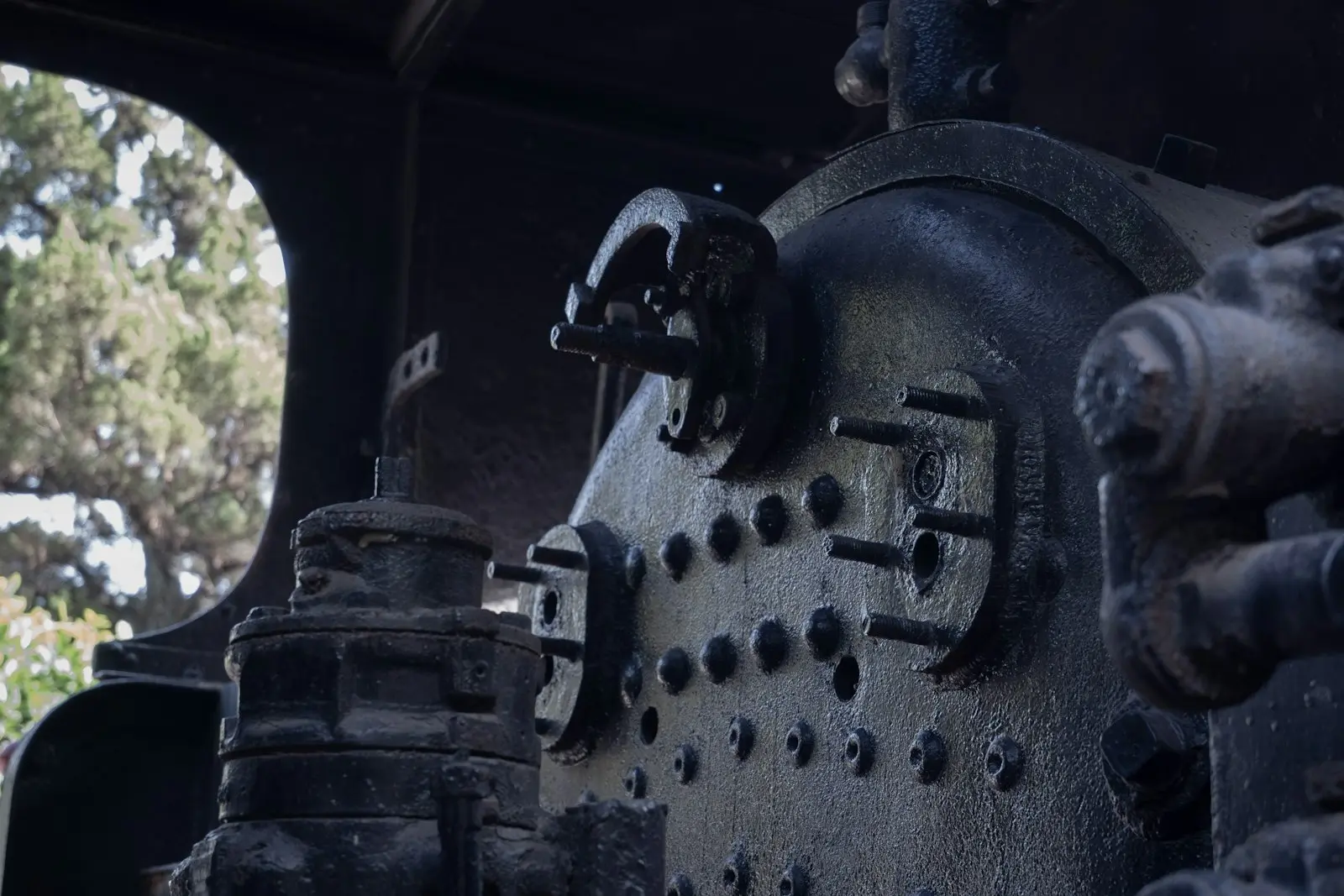 Coming soon
Nathan AirChime K5LA
The 5-chime that defines modern North American freight. D♯/F♯/G♯/B/D♯ minor 7th.
-
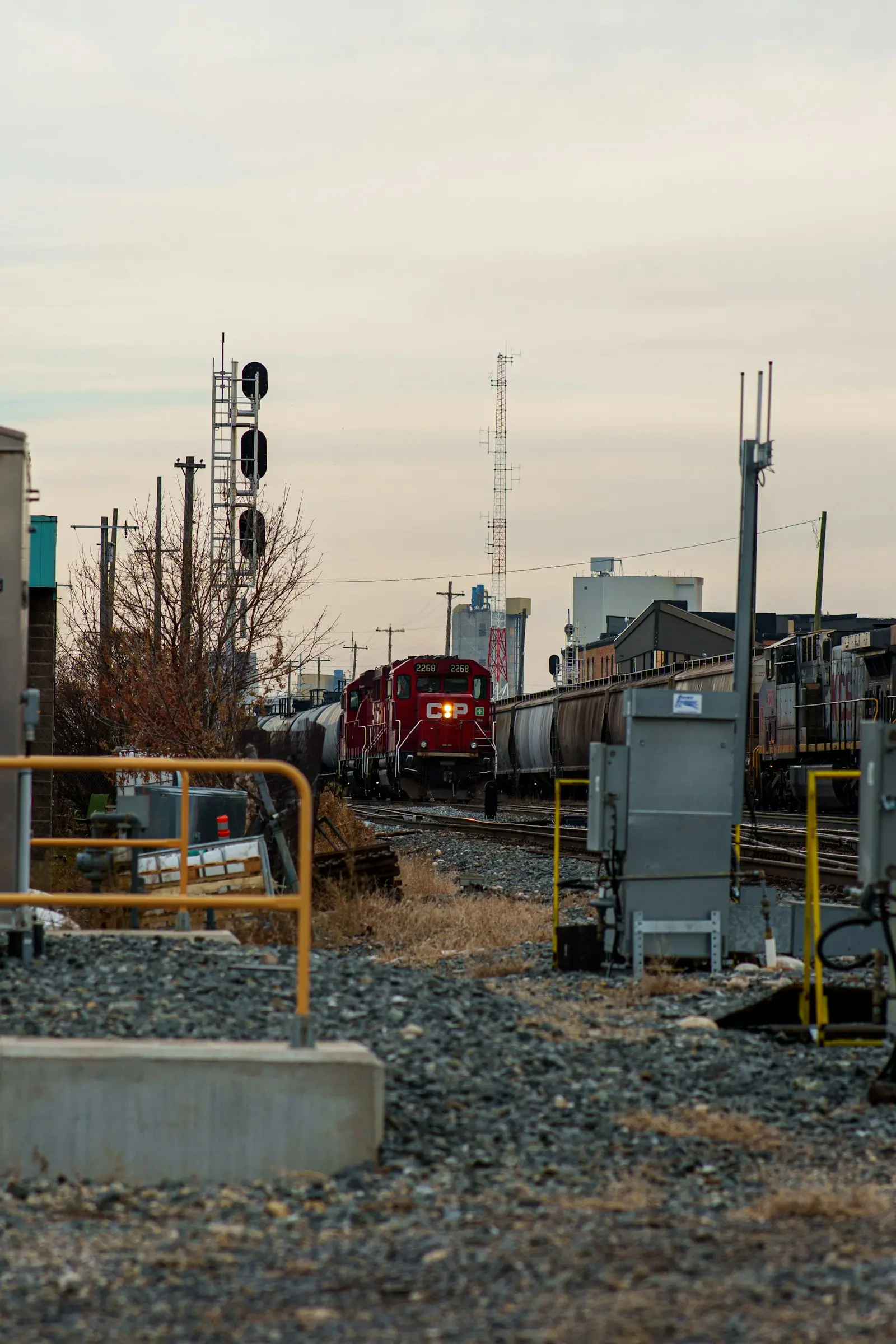 Coming soon
Nathan AirChime K3LA
3-chime cousin of the K5LA — used on smaller passenger units and short-line freight.
-
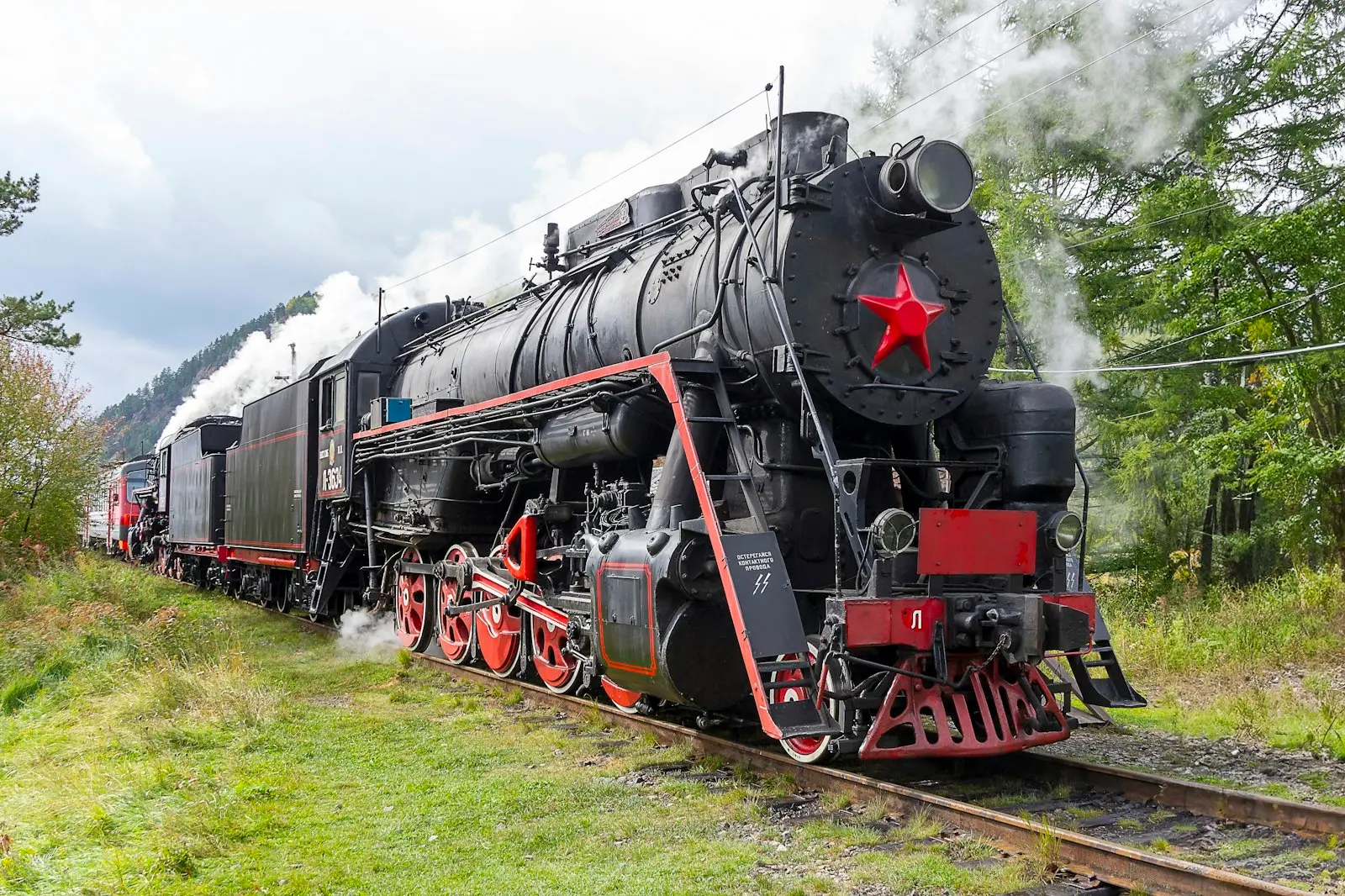 Coming soon
Nathan AirChime K5
Pre-K5LA 5-chime — slightly different note layout, still in service on older fleets.
-
 Coming soon
Nathan P5
Penn Central / Conrail-era 5-chime, prized for its low fundamental and warm tone.
-
 Coming soon
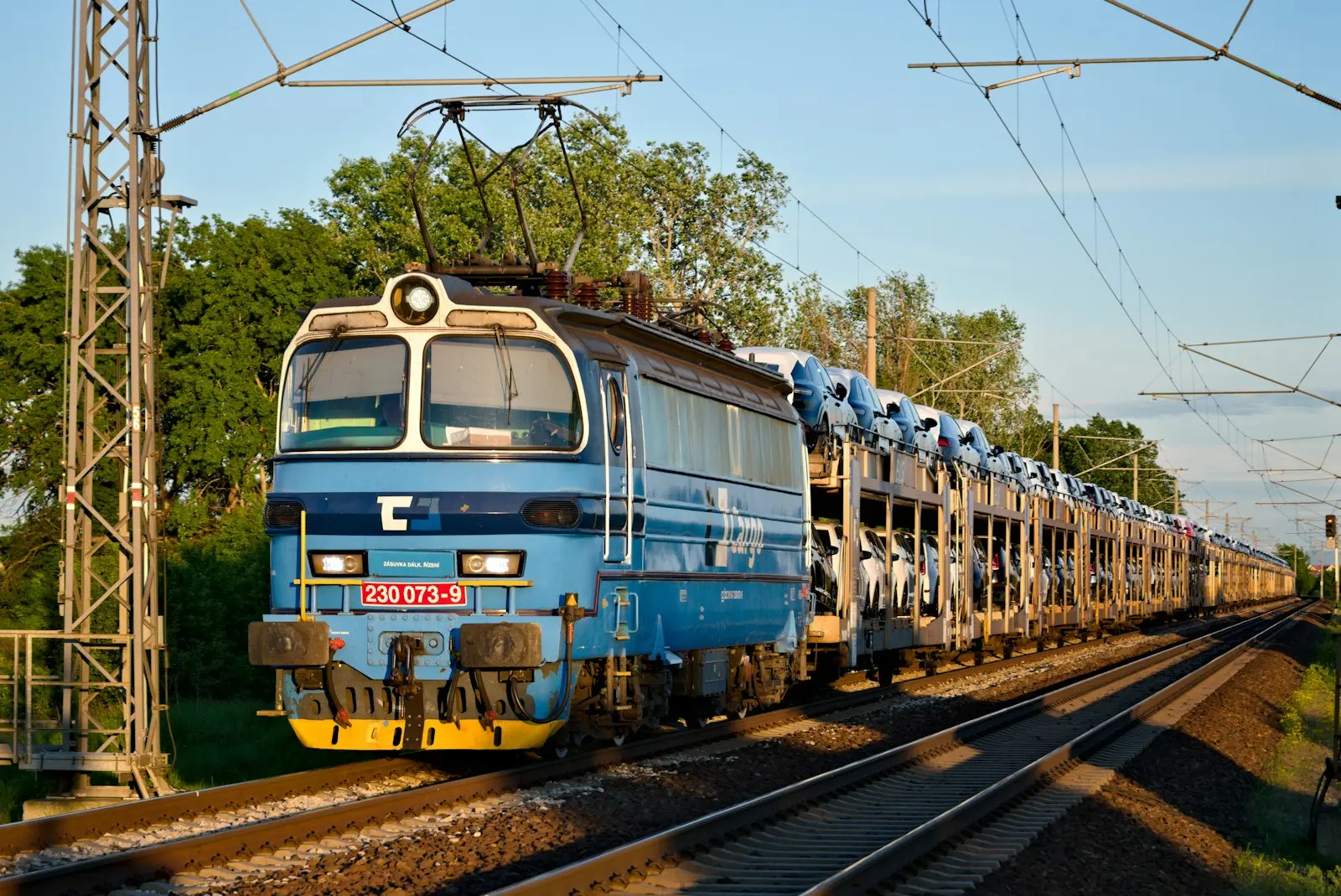
Nathan P3
Compact 3-chime, common on switchers and lighter passenger power.
-
 Coming soon
Leslie RS3L Supertyfon
Once the most common horn on North American railroads. 3-chime stacked package.
Library by train type
Categorical recordings — what a freight train sounds like vs a steam whistle vs a distant horn at night.
-
 Coming soon
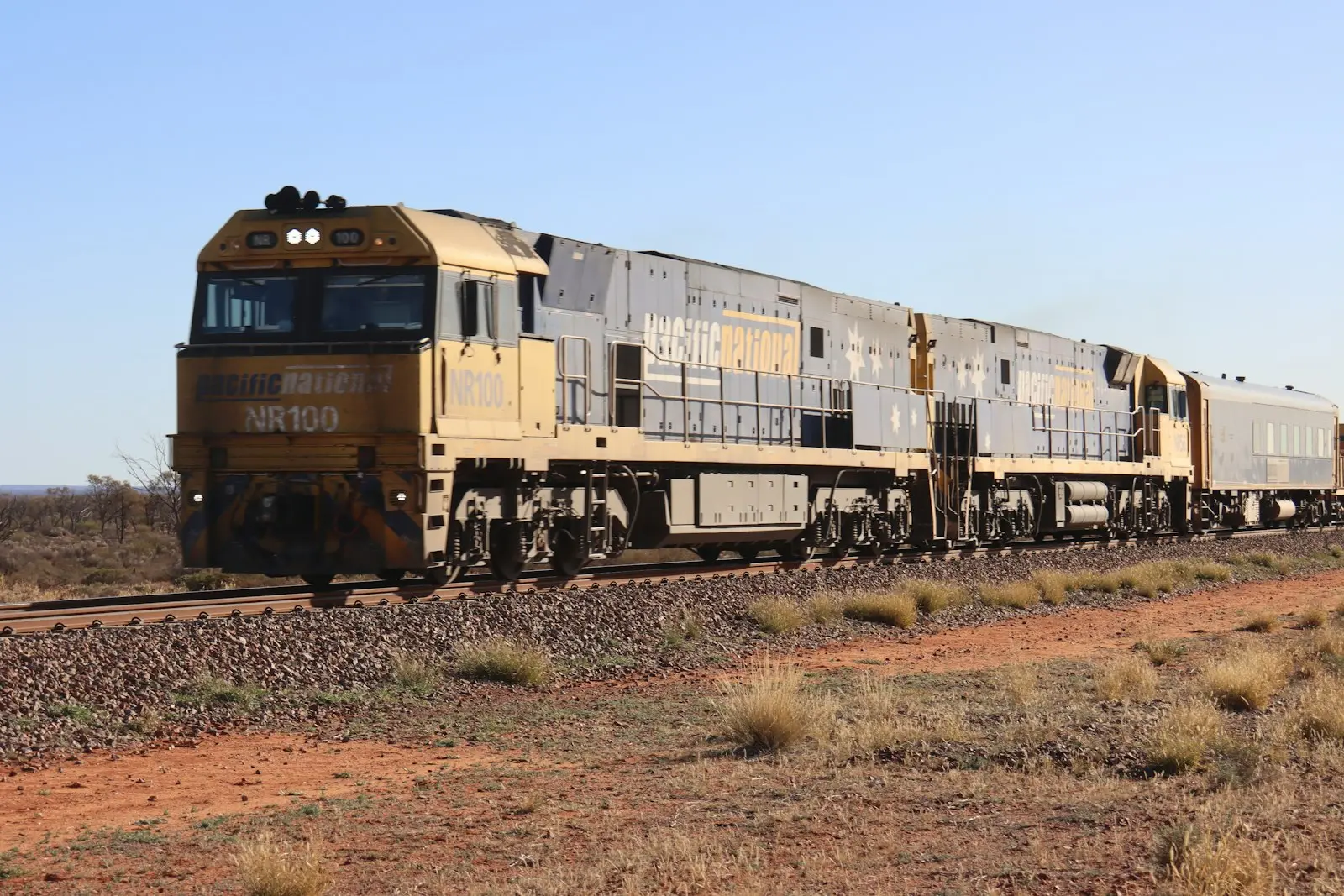
Freight train horn
The deep, sustained call of a Class I freight at full power — usually a K5LA or P5.
-
 Coming soon
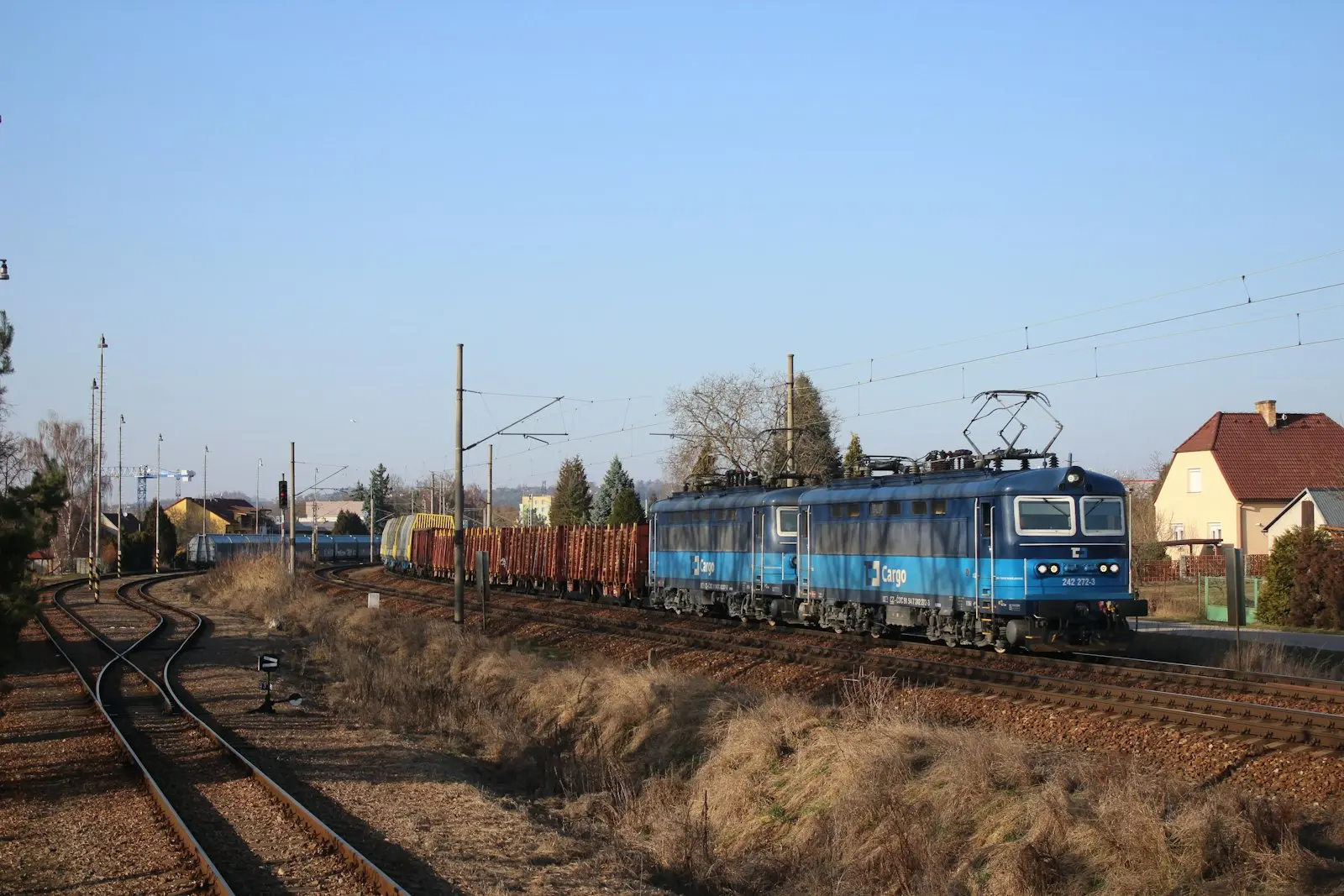
Diesel locomotive horn
Standard modern diesel-electric horn samples across road numbers and railroads.
-
 Coming soon
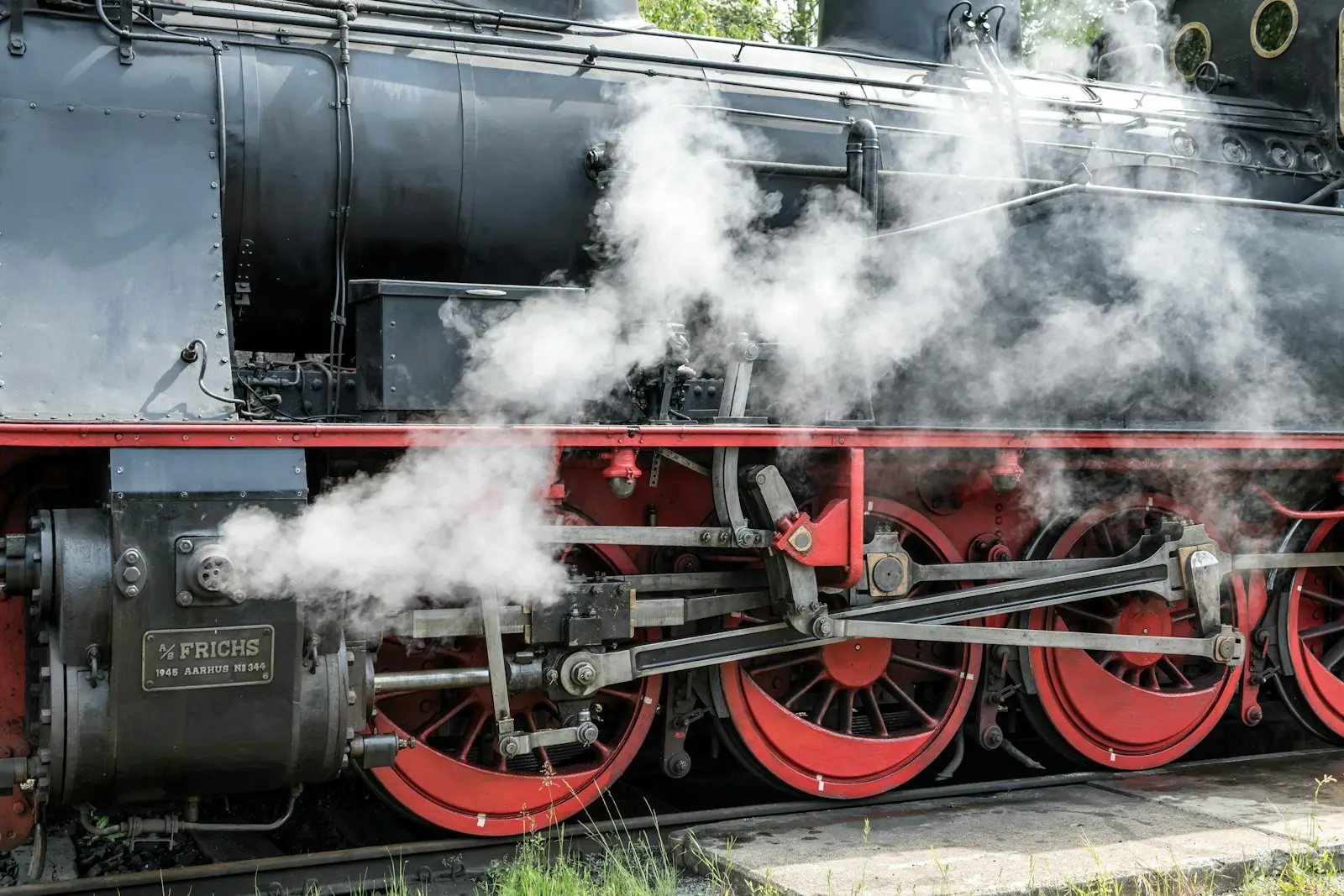
Steam train whistle
Pre-1960 steam whistle samples — single, three-chime, and stepped harmonic types.
-
 Coming soon
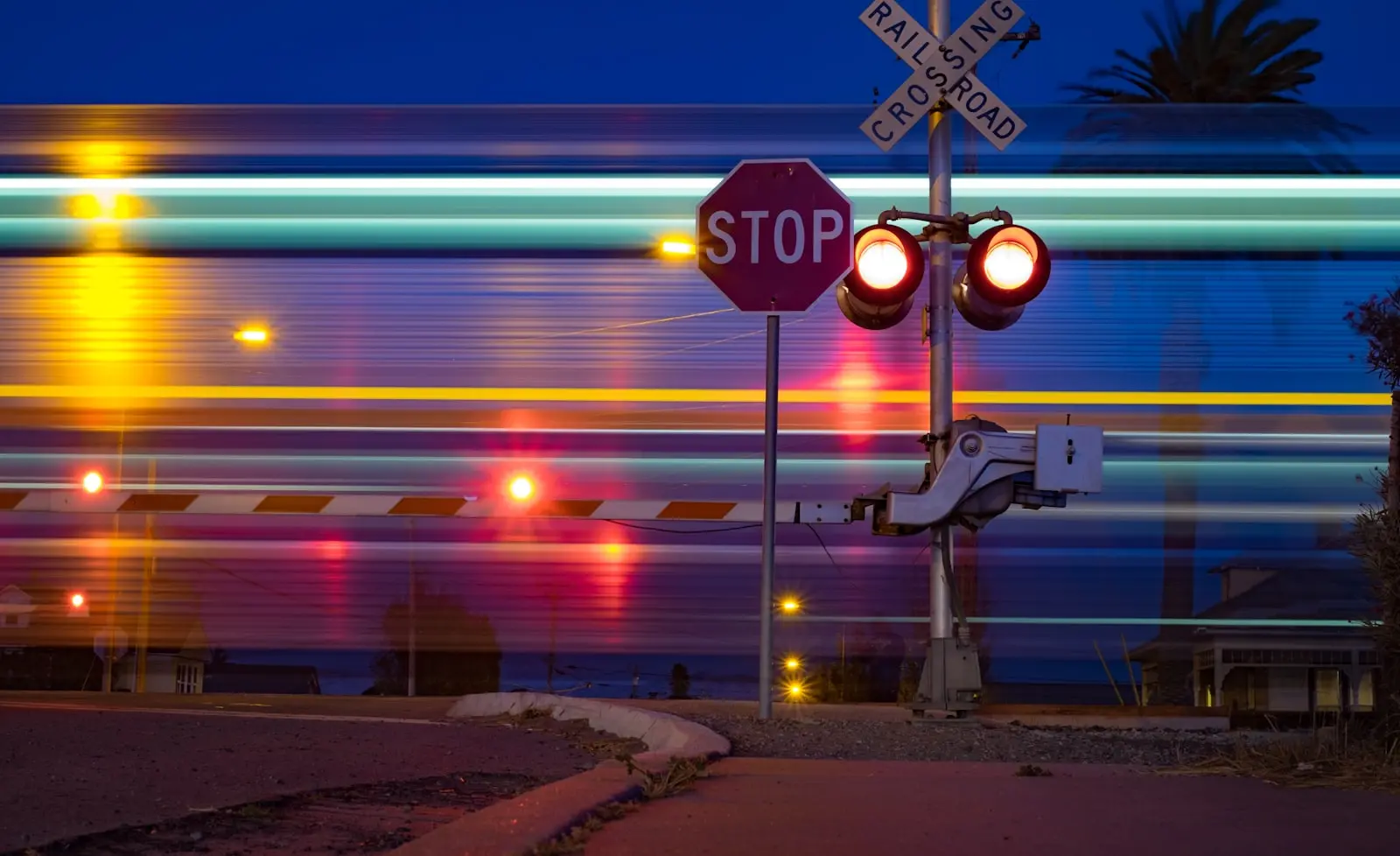
Locomotive horn
Generic locomotive horn samples for projects that need an unbranded chord.
-
 Coming soon
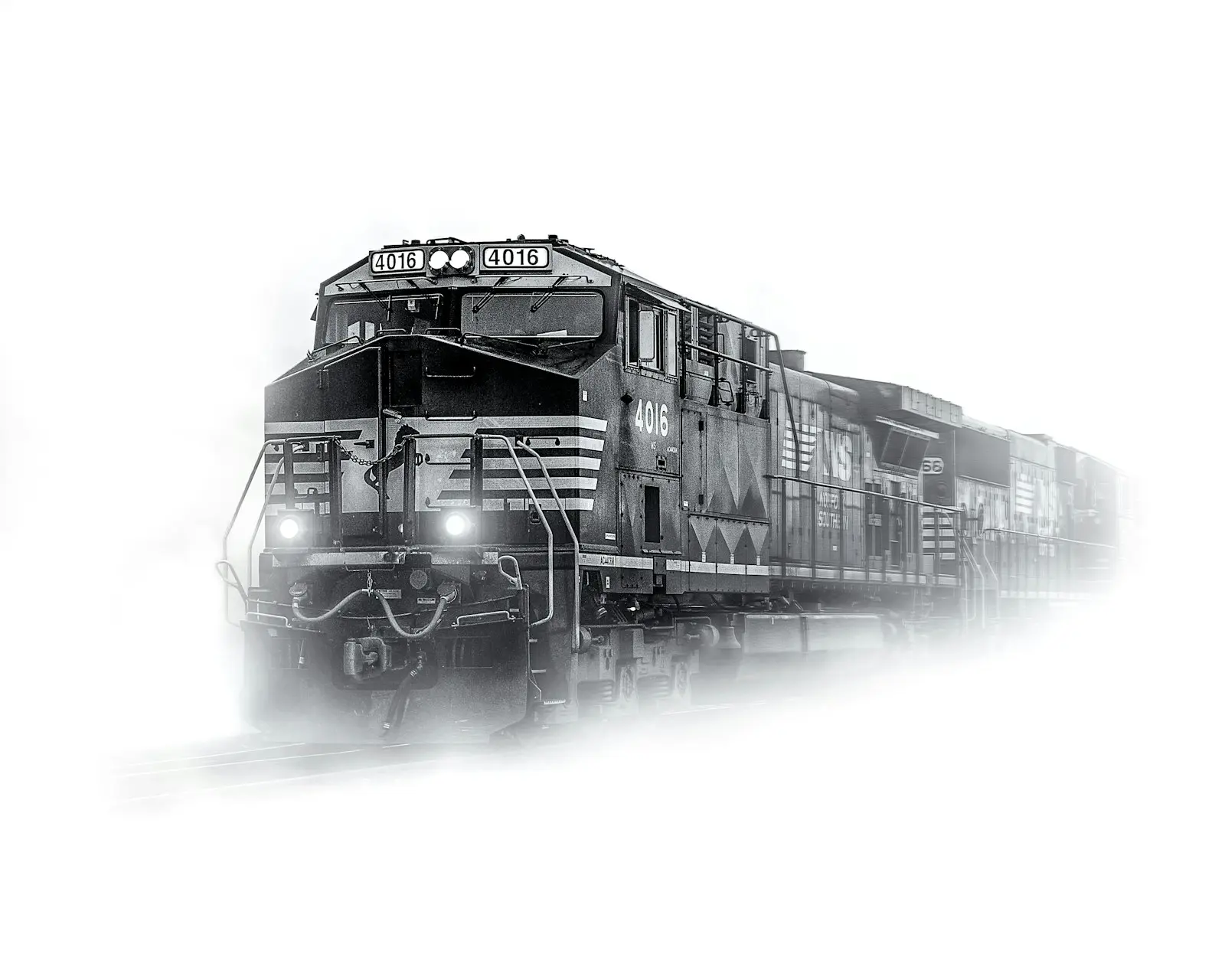
Old train horn
Vintage 1940s–60s horn recordings — single-chime and early two-chime examples.
-
 Coming soon
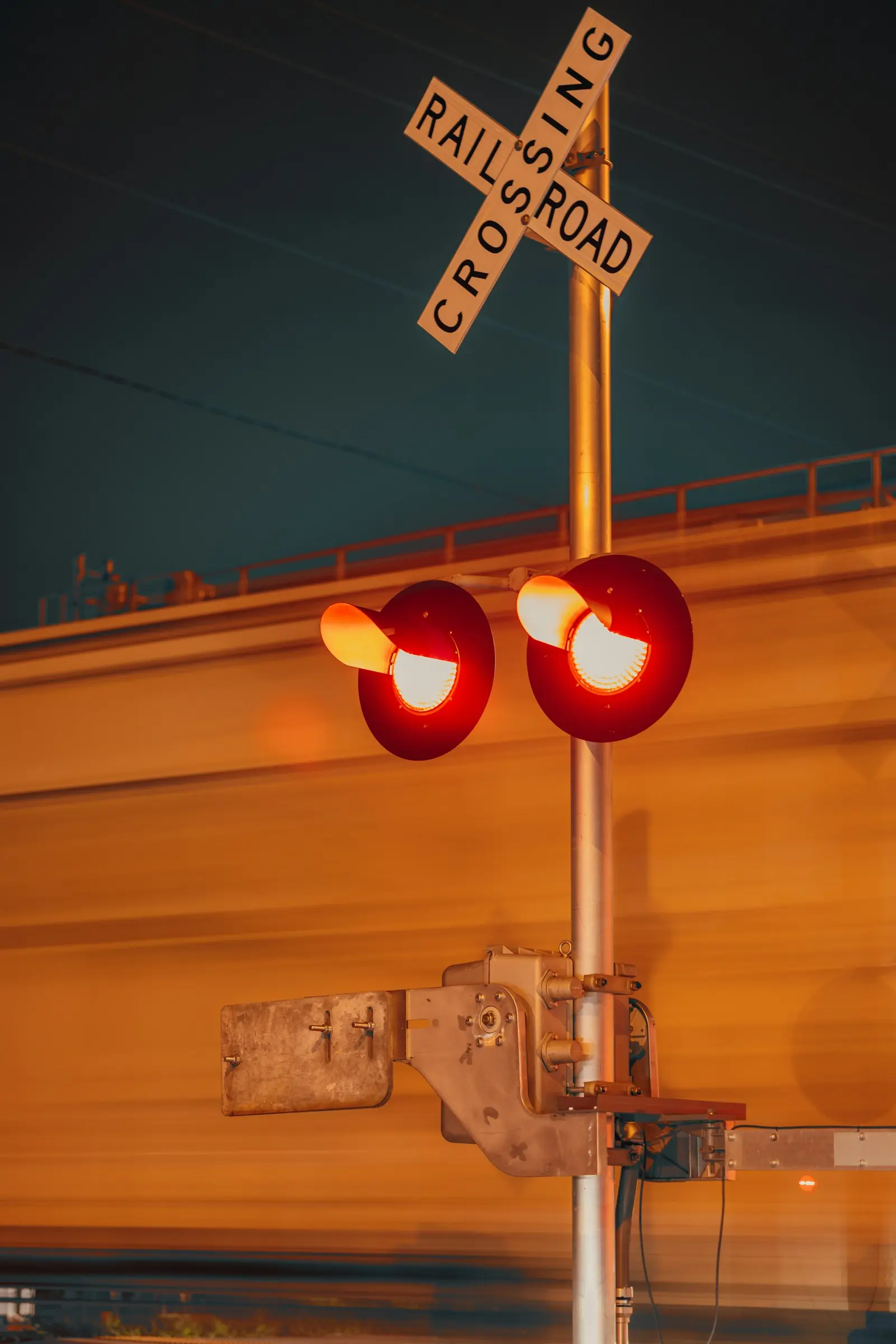
Distant train horn
Far-field horn audio (1+ mile away) — used in sleep playlists and ambient mixes.
By railroad & region
Specific railroad fleets and international standards.
-
 Coming soon
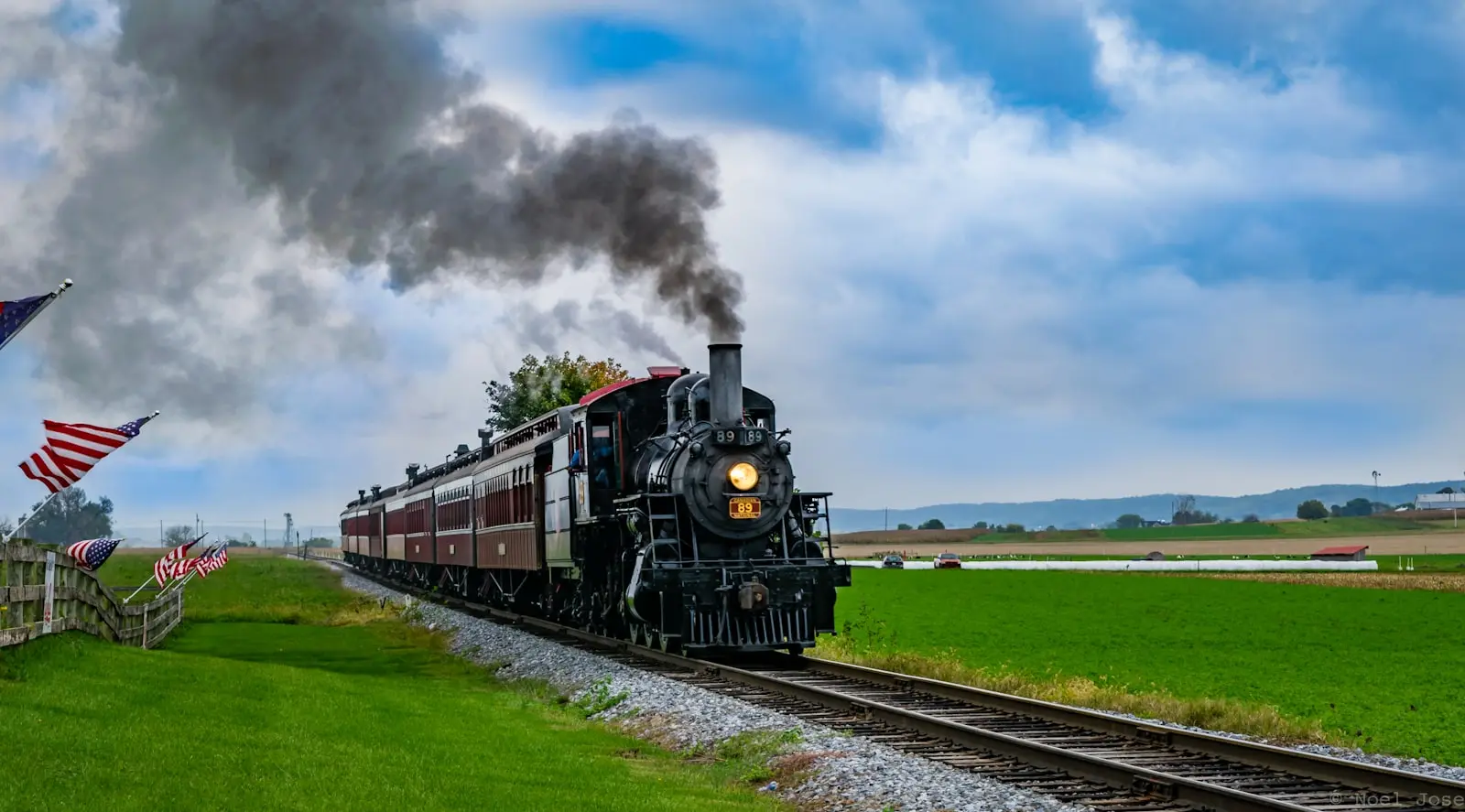
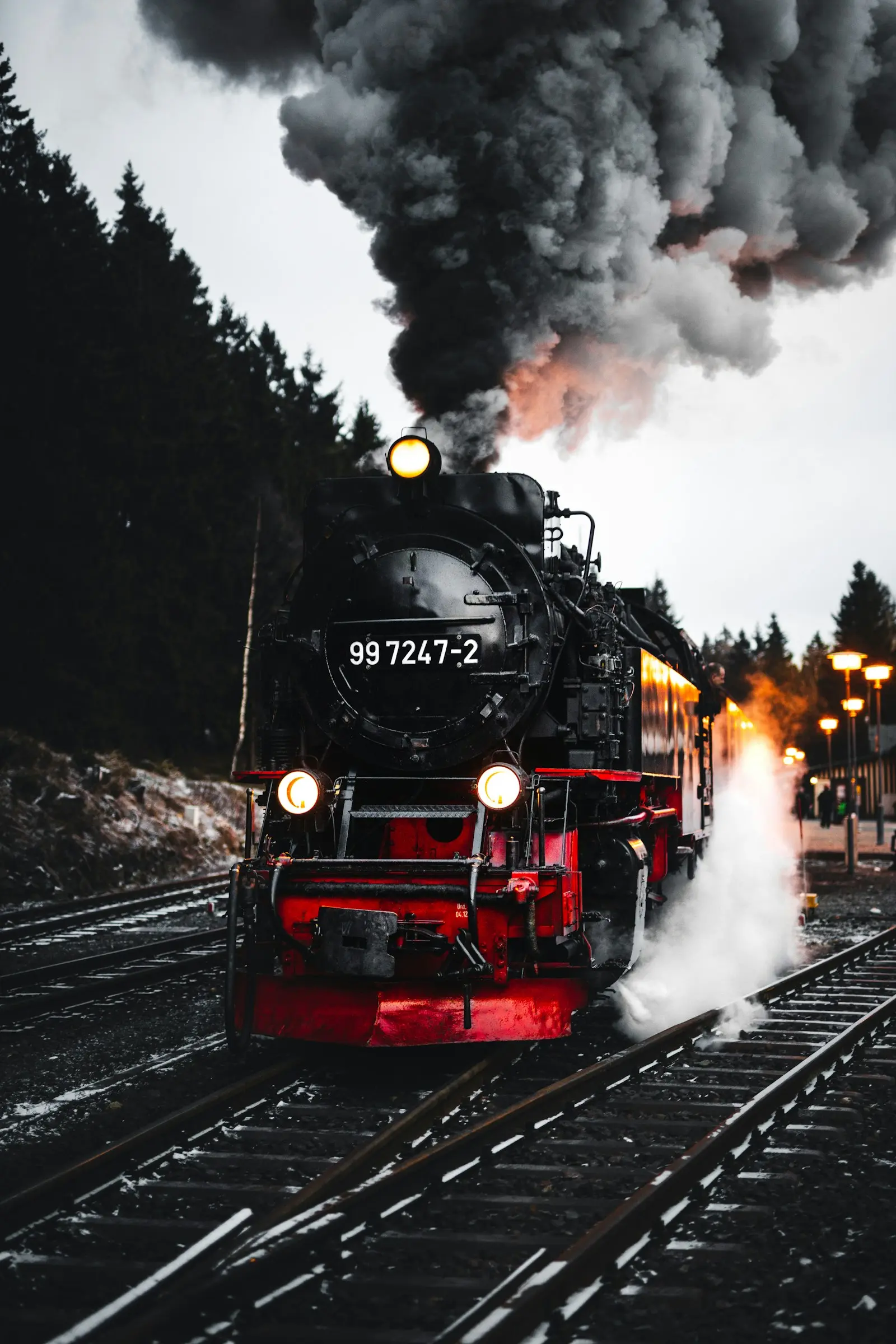
Amtrak
Modern Amtrak intercity diesel and electric units — predominantly K5LA-based.
-
 Coming soon
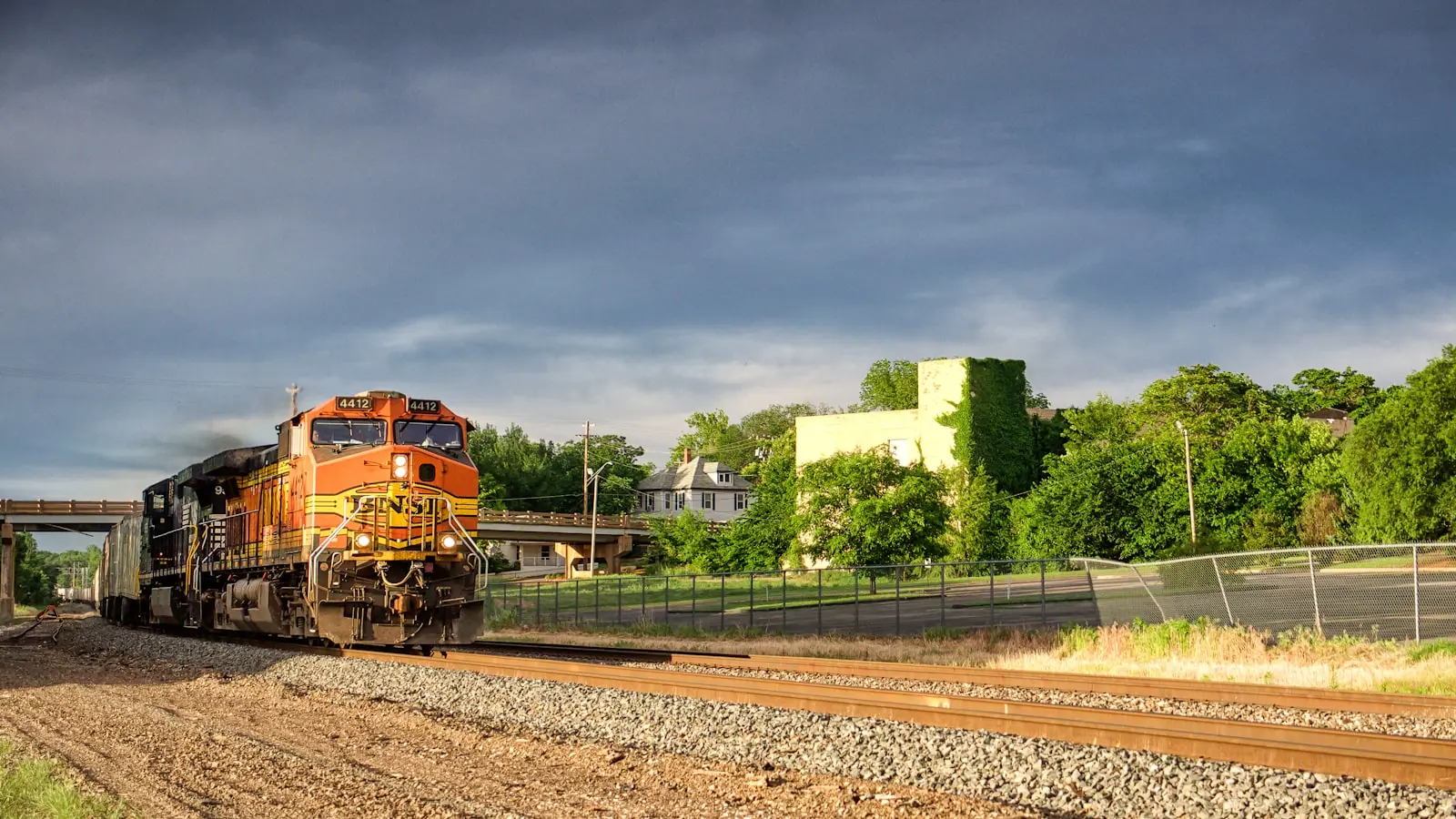
BNSF
BNSF Class I freight — heavy K5LA fleet, some P5 holdouts.
-
 Coming soon
CSX
CSX freight — K5LA standard, P-series on legacy SD40-2s.
-
 Coming soon
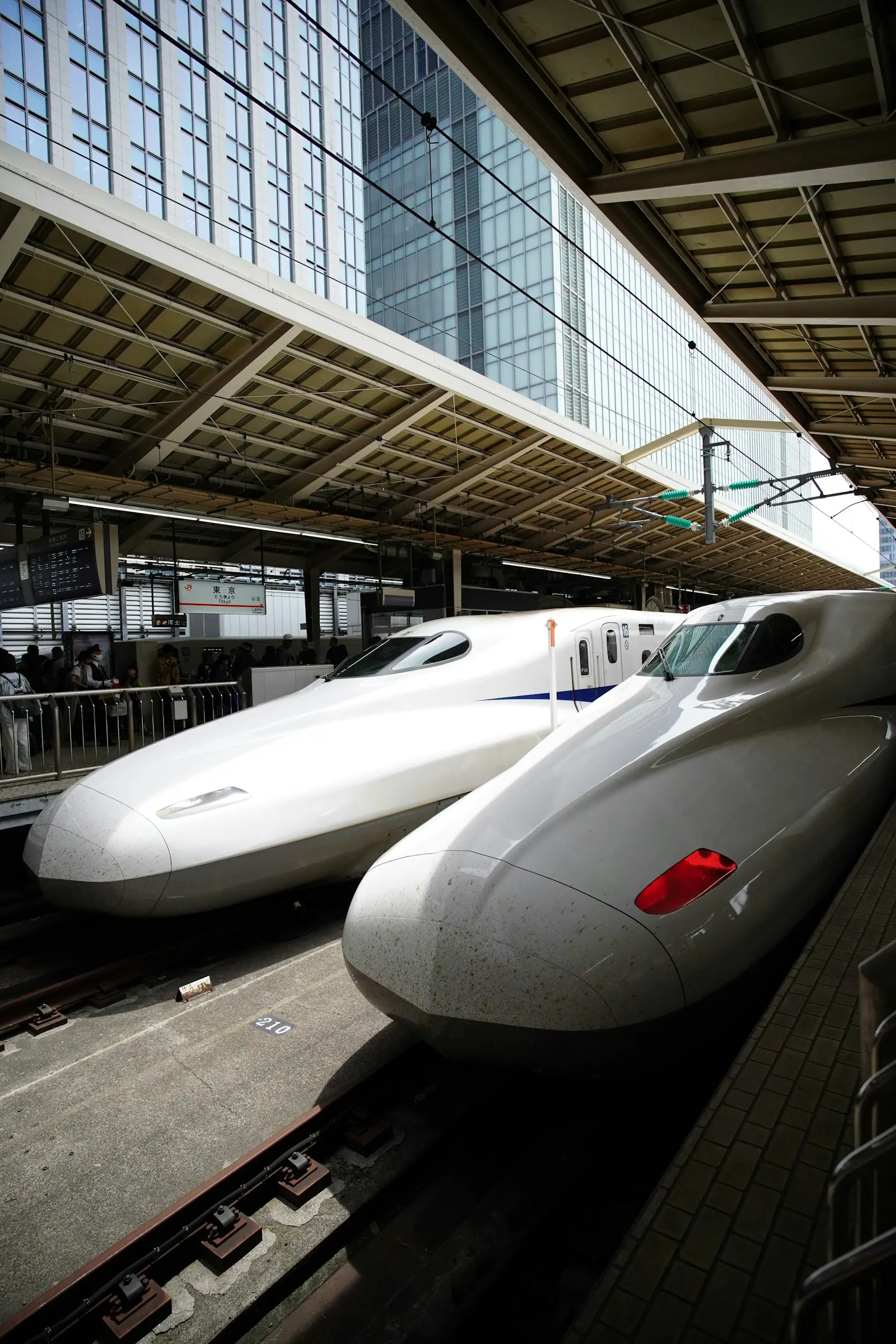
Japanese train horn
Distinctive higher-pitched two-tone horns of JR East and private rail.
-
 Coming soon
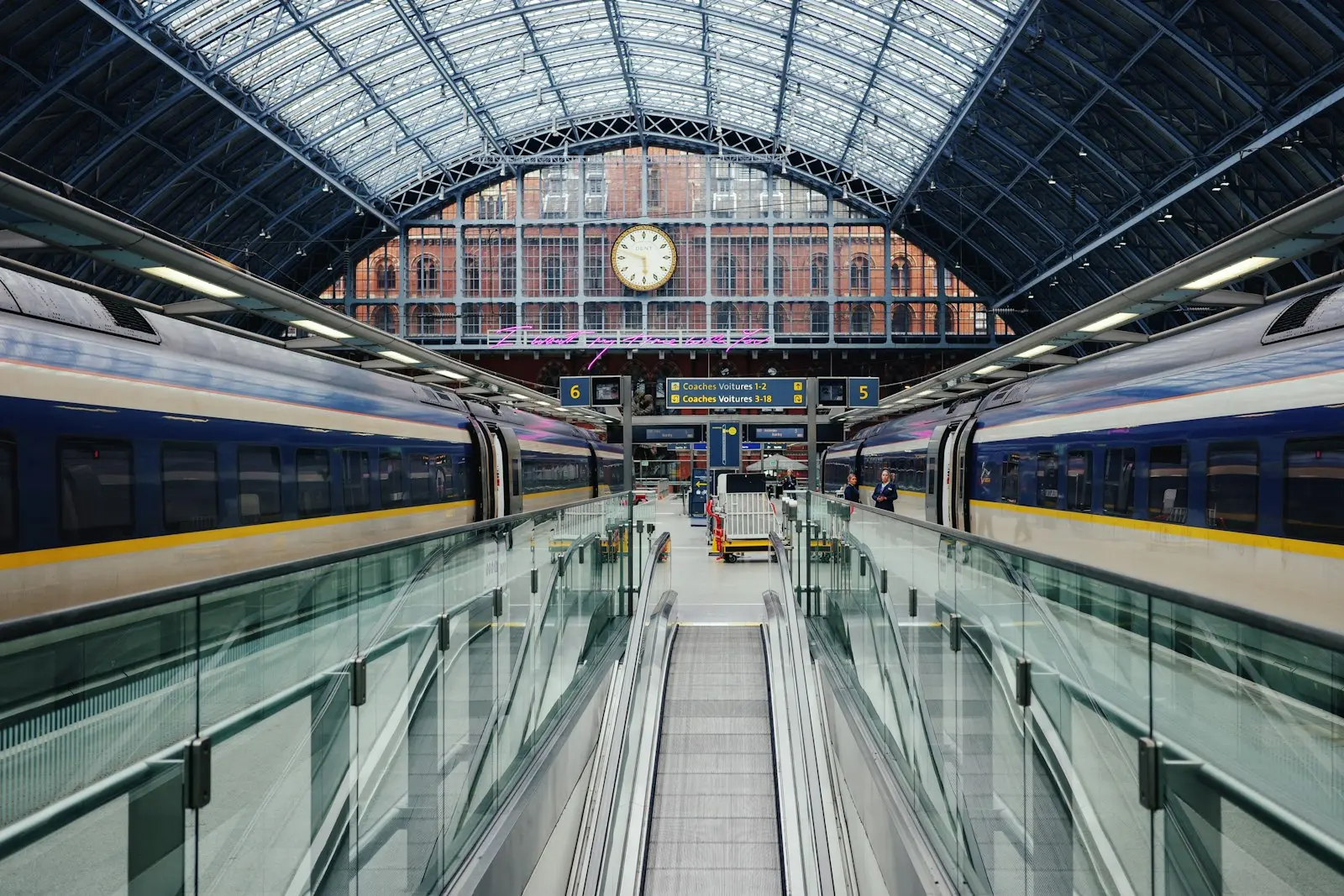
UK train horn (British Railways)
Two-tone 370/660 Hz UIC-compliant horns used across Network Rail.
-
 Coming soon
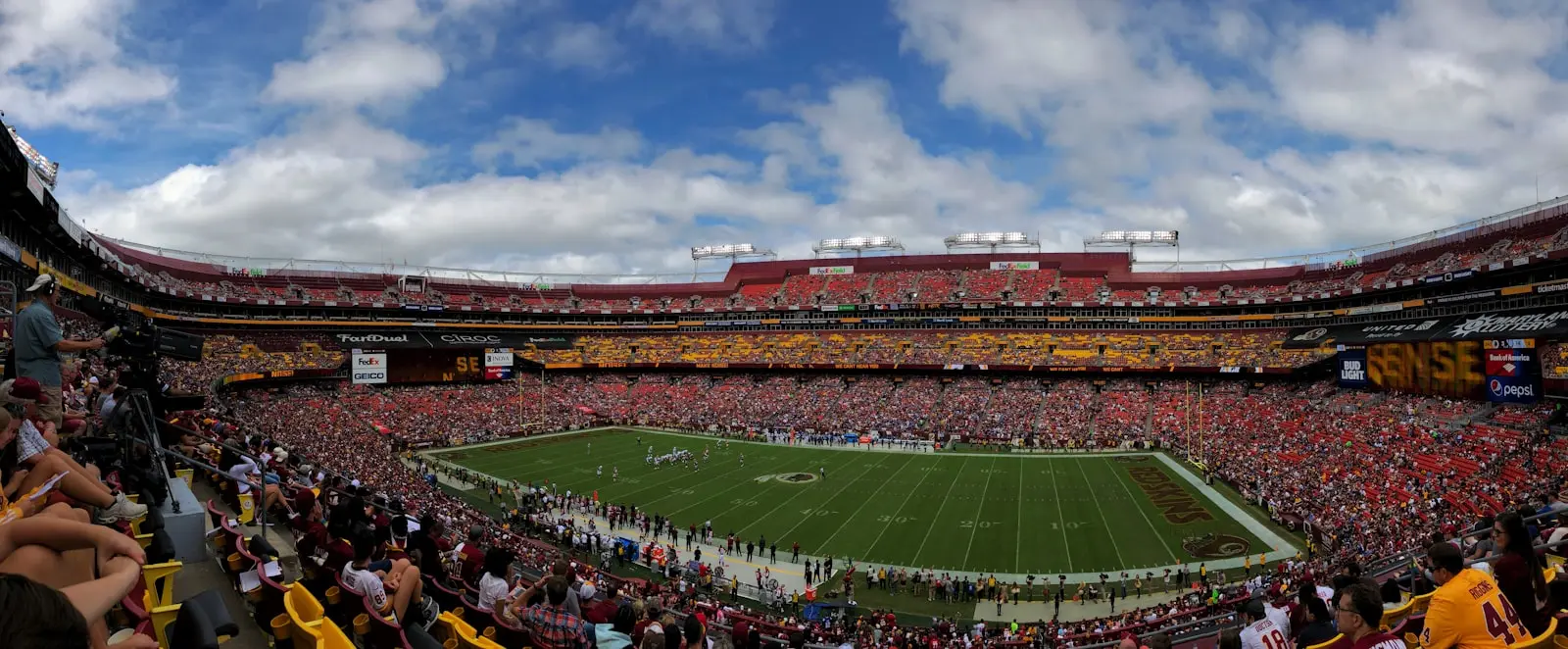
Buffalo Bills Train Horn
The post-touchdown horn at Highmark Stadium — its origin, the actual locomotive air horn used, and where to download the sound.
Tools, downloads, and ringtones
Interactive players, file-format downloads, and sound IDs for game projects.
-
 Coming soon
Train Horn Soundboard
Click-to-play interactive soundboard — every horn in the library, side-by-side.
-
 Coming soon
Train Horn Ringtones
Free ringtone-format downloads (M4R for iPhone, MP3 for Android).
-
 Coming soon
Free MP3 Downloads
Royalty-free MP3 horn samples for video editing, projects, and personal use.
-
 Coming soon
WAV Downloads
Lossless WAV files for professional audio production.
-
 Coming soon
Roblox Sound IDs
Working sound IDs for popular train horns inside Roblox projects.
-
 Coming soon
Sleep & Ambience
Long-form horn-and-track recordings tuned for sleep and focus.
Frequently asked questions
How loud is a real train horn?
The Federal Railroad Administration requires every locomotive horn to produce between 96 and 110 dB measured at 100 feet forward of the locomotive. The Nathan AirChime K5 has been independently measured at 149.4 dB at the source — peak SPL drops with distance per the inverse-square law.
What is the "two long, one short, one long" horn pattern?
It is the FRA-mandated grade-crossing signal. Every locomotive must sound this pattern (• • — •) starting 15–20 seconds before reaching a public highway-rail crossing, repeated until the locomotive clears the crossing. For trains over 60 mph, the horn cannot be sounded more than a quarter mile in advance.
What are the characteristic frequencies of a train horn?
Most North American chord horns sit in the 300–700 Hz range, with the Nathan K-series fundamentals between roughly 311 Hz (D♯) and 415 Hz (G♯). UIC-compliant European horns standardize on 370 Hz and 660 Hz. The famous "freight train" timbre is the result of multiple chord notes plus high-order harmonics extending well above 5 kHz.
Which horn does the Buffalo Bills celebration horn use?
The post-touchdown sound at Highmark Stadium is a real locomotive air horn — see our forthcoming Buffalo Bills sound page for the model and the full origin story.
Can I use these sound files commercially?
Some of the sound library entries are royalty-free; others are recordings of trademarked horn signatures and are licensed only for personal use. Each sound page lists its specific license terms and original source.
What is the loudest train horn ever recorded?
The Nathan AirChime K5 holds the published record at 149.4 dB at the source in independent testing. Aftermarket truck horns from HornBlasters and others have claimed up to 158 dB at the source, but these are not locomotive horns and are not measured under FRA test conditions.
Sources
- Federal Railroad Administration — Train Horn Rule & Quiet Zones (49 CFR Part 222)
- Union Pacific — Railroad Safety: Train Horns and Grade Crossing Signals
- Wikipedia — Train horn (chord-horn physics, frequency ranges, Nathan/Leslie model designations)
- Nathan AirChime — official manufacturer site (90%+ U.S. locomotive horn share)
- Wikipedia — Nathan Manufacturing (K5 149.4 dB independent measurement)
- UIC 644 Compliant Air Horns — 370 Hz / 660 Hz specification
- Five Chime Consultants — Airhorn Reference Guide (Nathan and Leslie model-to-chord mapping)
All numeric claims (decibel levels, frequencies, FRA timing) cited inline. Sound page entries marked "Coming soon" are scheduled in our content roadmap. We do not perform hands-on dB testing — see our methodology.