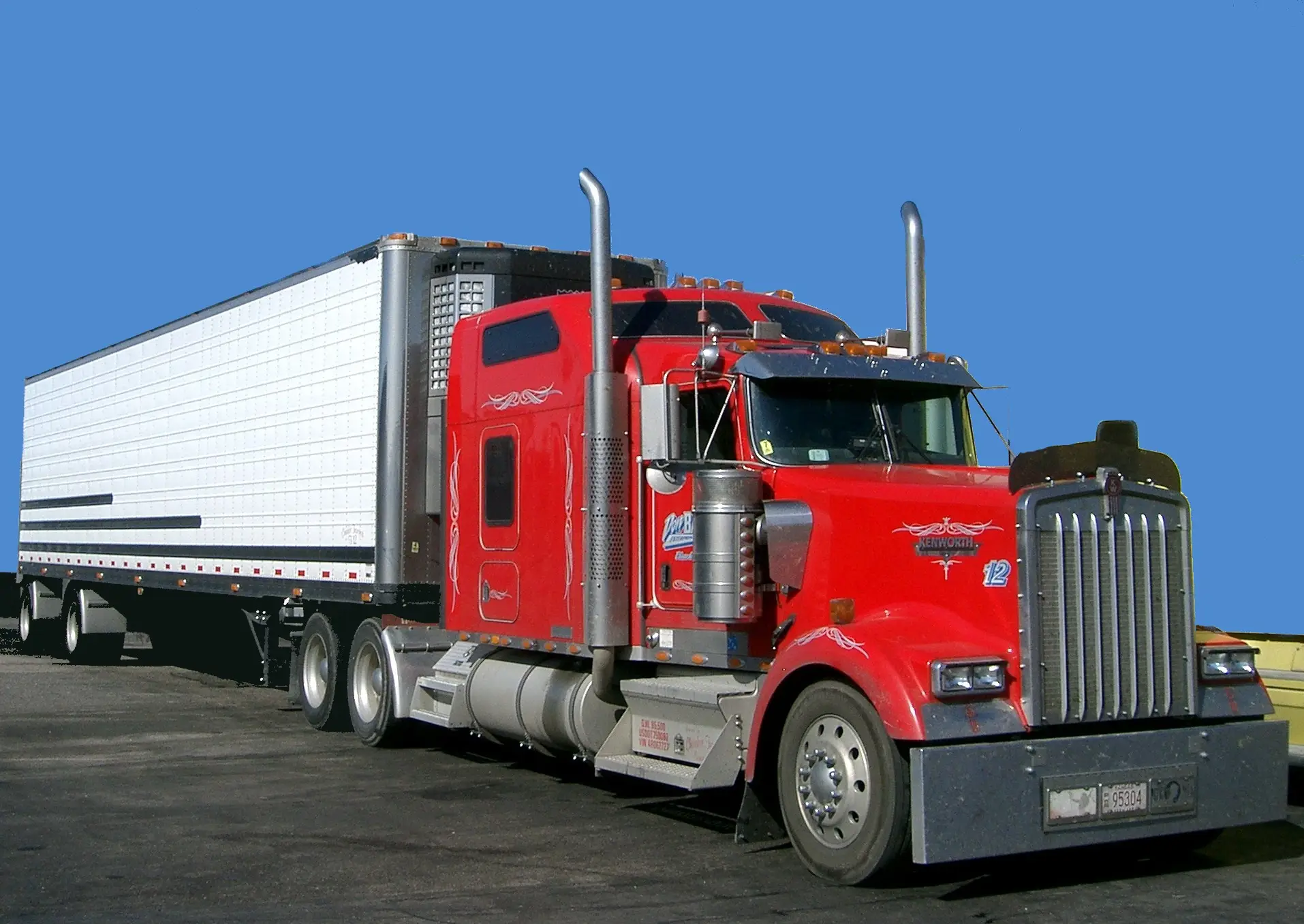
Single vs Dual vs Quad Trumpet Train Horns: Which to Buy?
Single, dual, or quad trumpet train horn? We break down loudness, tone, size, and price so you can pick the right number of trumpets for your truck.
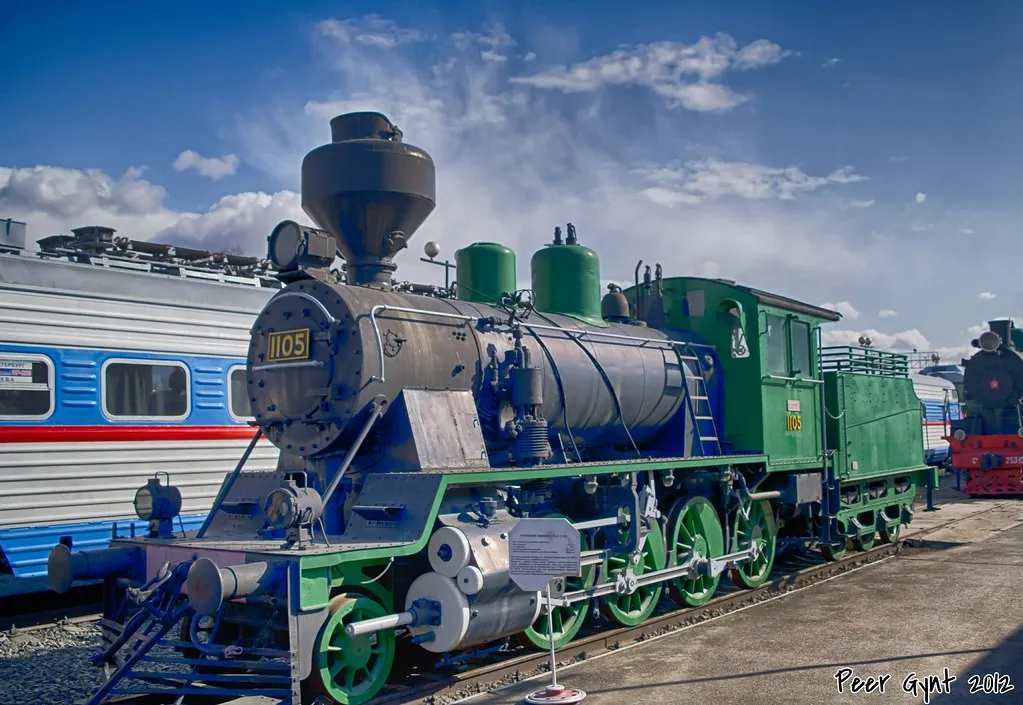
If you’re shopping for a train horn, the first fork in the road is how many trumpets you want: a single, a dual, a triple, or a quad. More trumpets usually means more volume and a richer, more locomotive-like sound, but also more size, weight, and air demand.
What the trumpet count actually changes
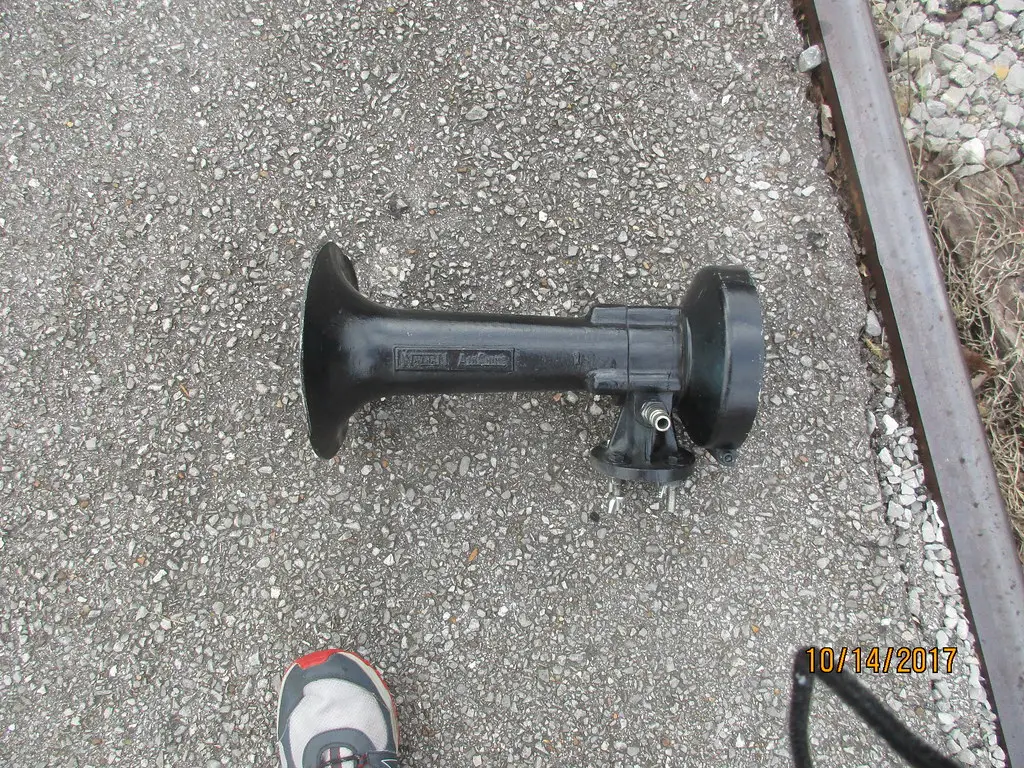
A train horn trumpet is just a flared tube with a diaphragm at the throat. Air rushes past the diaphragm, makes it vibrate, and the length of the trumpet sets the pitch: longer trumpets play lower notes, shorter ones play higher. A single trumpet plays exactly one note. Add more trumpets of different lengths and you stack several notes at once, which your ear hears as a chord.
That chord is the whole reason a real locomotive sounds the way it does. A Nathan AirChime K5LA, the horn on countless American diesels, uses five trumpets tuned to a major-sixth chord (the notes E-flat, A-flat, B-flat, D-flat, and F). One trumpet can be loud, but it can’t reproduce that harmonic richness, because, as the physics goes, decibels measure volume, not richness.
So the trumpet count drives three things at once: how loud the horn is, how “train-like” it sounds, and how much physical space and air it needs.
Single trumpet: compact and aggressive
A single-trumpet horn is the smallest, lightest, and cheapest way into the air-horn world. It plays one strong fundamental note, and on most compact car/truck units that note lands in the higher 400-500 Hz range, which is why a single horn sounds urgent and sharp rather than deep and rolling.
- Smallest footprint, easiest to tuck behind a bumper or in a fender
- Lowest air demand, so it works with a small tank or even a self-contained compact unit
- Cheapest entry point
- One note only, so no chord and no real locomotive character
- Tends to sound higher-pitched and “honky” rather than deep
- Often the quietest of the bunch
If your goal is a meaningful upgrade over a stock car horn in the tightest possible package, a single can make sense. Just know you’re trading the signature train sound for convenience.
Dual trumpet: the practical middle ground
Two trumpets of different lengths give you two notes, and that’s enough to start sounding like a chord instead of a single blast. Dual setups are the sweet spot for a lot of truck owners: noticeably bigger sound than a single, still compact enough to mount without major fabrication.
Volume varies widely by model. A compact 12-volt dual like the Wolo Model 870 Western Express is rated at 125 dB and tuned to a low 330/336 Hz, but it needs an onboard air system (Wolo specs a 1.5-gallon minimum tank) because it has no built-in compressor. Bigger dual kits with proper tanks and compressors push well past that.
- Two-note chord, far more train-like than a single
- Still relatively compact and easy to mount
- Wide range of price points and kit sizes
- Less deep and full than a triple or quad
- Most need a separate tank and compressor
Triple and quad trumpet: full locomotive sound
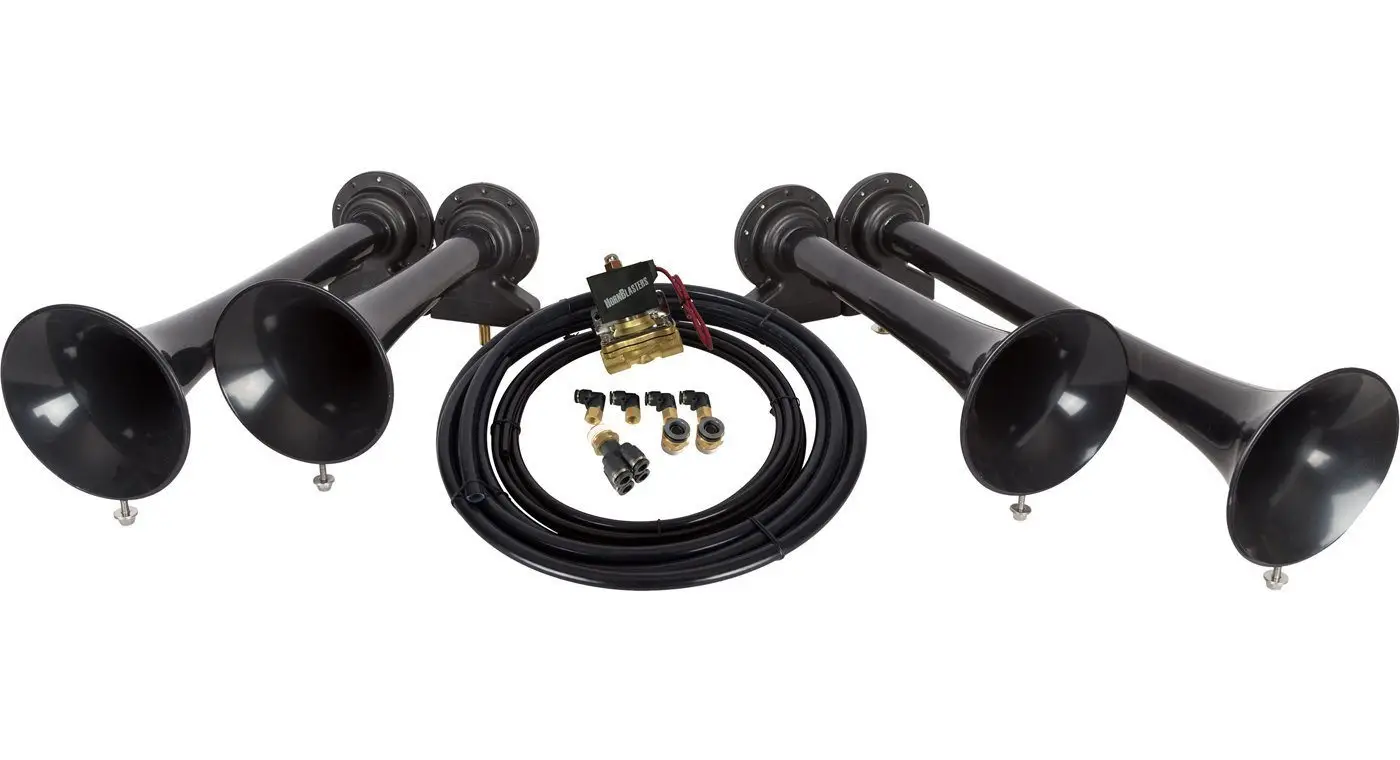
Three or more trumpets is where you get the real thing. Triple and quad horns stack three or four notes, and the extra trumpets, especially the longer low ones, add the deep harmonic body that makes people instinctively look for a train. As one breakdown of horn physics puts it, a three-trumpet setup adds harmonic depth a single horn can’t match.
Loudness climbs too. The loudest train horns on the market are large multi-trumpet units: a Nathan AirChime K5LA was independently measured at 149.4 dB in third-party lab testing, and big aftermarket kits routinely advertise figures in the 150 dB range. A quad is generally louder and deeper than a dual of the same build quality.
- Richest, most authentic locomotive chord
- Usually the loudest options, with the deepest low end
- The look most people picture when they think “train horn”
- Largest and heaviest, hardest to find mounting space
- Highest air demand, so they want a bigger tank and compressor
- Most expensive once you factor in the full air system
How loudness really stacks up
The rough order is predictable: single is usually quietest, dual sits in the middle, and triple/quad lead the pack. But two cautions matter more than the trumpet count.
First, there’s no standard test distance in this industry, so a 150 dB claim measured at one inch isn’t comparable to a 149.4 dB lab figure at a set distance. Always check whether a rating lists a distance, and treat unsourced “150 dB+” marketing numbers with suspicion. For the full picture of how these numbers work, read our decibels explained guide and our ranking of the loudest train horns.
Second, loud isn’t the same as deep. The energy in a multi-trumpet horn is concentrated in lower frequencies that humans associate with mass and power, so a deep 130 dB train chord can sound “bigger” than a sharper 140 dB single. If your goal is that gut-punch locomotive tone, trumpet count and tuning matter as much as the raw dB figure. Our deeper buyer’s guide walks through matching a horn to your vehicle and budget.
Don’t forget the air system
The number of trumpets you pick also dictates the rest of your build. More and longer trumpets move more air per honk, so a quad wants a bigger tank and a stronger compressor to avoid a weak, fading blast. A single or small dual can live on a 1-gallon tank or even a self-contained unit; a serious triple or quad is happier on a 2- to 5-gallon tank.
- Single / compact dual: small tank or self-contained, easiest install
- Full dual: plan on a dedicated tank and compressor
- Triple / quad: bigger tank, stronger compressor, more mounting space
If you’re choosing between a compressor-and-tank kit and a portable battery unit, our air vs battery comparison covers the tradeoffs.
So which should you buy?
Match the trumpet count to your priority. Pick a single if space and budget rule everything and you just want loud. Pick a dual if you want a real chord without a big fabrication project, which is the right call for most trucks and SUVs. Step up to a triple or quad if authentic, room-shaking locomotive sound is the whole point and you’re willing to give up space and feed it a proper air system.
Whatever you choose, buy from a seller who publishes an honest dB rating with a stated distance, and confirm your local noise laws before you wire it up.
Sources
- HornBlasters: Train Horn Decibel Guide — Nathan AirChime K5LA measured at 149.4 dB in third-party (DJD Labs) testing, and the point that there is no standard test distance.
- Wolo Model 870 Western Express spec page — dual-trumpet, 125 dB at 1 meter, 330/336 Hz, 12-volt, no onboard compressor, 1.5-gallon minimum tank.
- The Physics of Why a Truck Horn Sounds Like a Train — five-trumpet K5LA major-sixth chord, trumpet length vs pitch, single vs multi-trumpet tone, and low-frequency “bigger” perception.
Keep reading
Frequently asked questions
Quick answers to the questions people ask most about this topic.
- Are quad trumpet train horns louder than dual or single?
- Generally yes. With equal build quality, a quad is usually louder and deeper than a dual, and a dual is louder than a single. But marketing dB claims aren't comparable unless they list a test distance, so loudness rankings only hold within similar, honestly-rated products.
- How many trumpets do you need to sound like a real train?
- At least two, and ideally three or more. A single trumpet plays one note and sounds honky; multiple trumpets of different lengths stack into a chord. A real locomotive K5LA uses five trumpets tuned to a major-sixth chord for its full sound.
- Is a single trumpet train horn worth it?
- It's worth it only if compact size and low cost matter most. A single trumpet is the smallest and cheapest option and is much louder than a stock car horn, but it can't produce the multi-note chord that gives a horn its train-like character.
- Do more trumpets need a bigger air tank?
- Yes. More and longer trumpets move more air per honk, so triple and quad horns want a larger tank (2-5 gallons) and a stronger compressor. A single or small dual can run on a 1-gallon tank or a self-contained unit.
Related reviews & guides
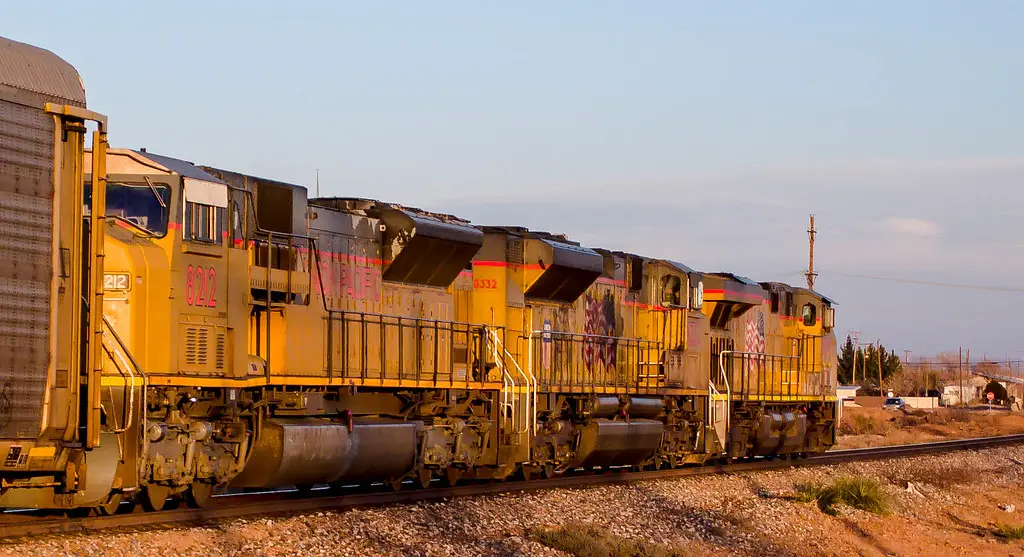
Kleinn vs HornBlasters: Which Train Horn Brand to Buy?
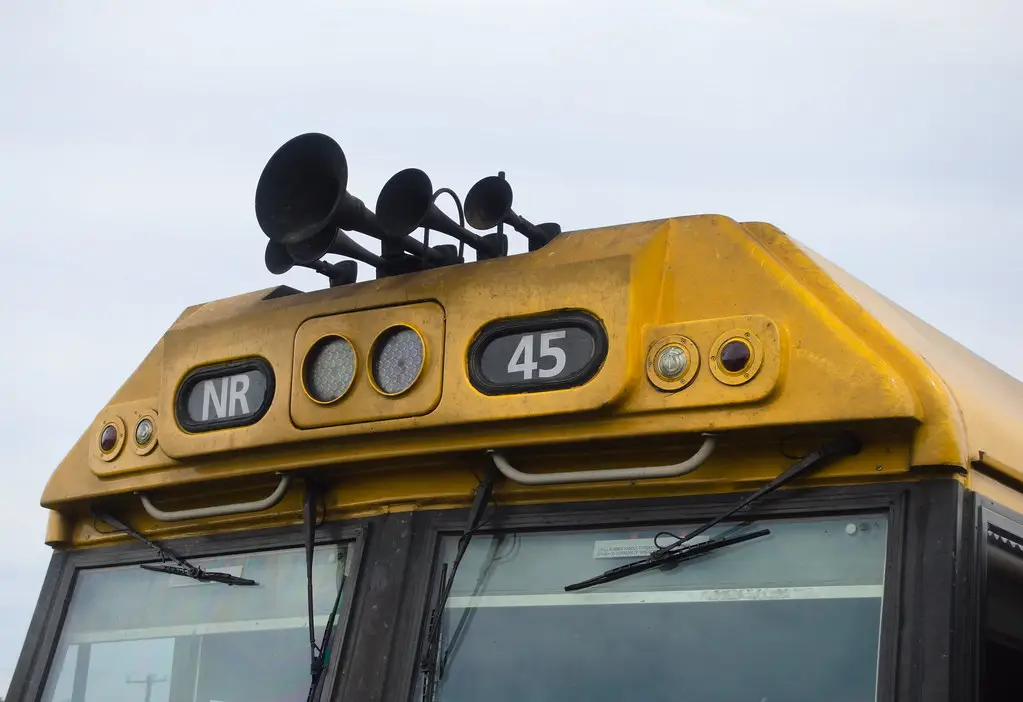
Nathan vs Leslie Train Horns: Which Locomotive Horn Sounds Better?
Nathan K3LA vs K5LA: Which AirChime K-Series Sound Fits You?
Custom Train Horn System vs Complete Kit: Build or Buy in 2026?
CO2 Tank vs Air Compressor for Train Horns: Which Wins?